

When Intention Creates Connection: Reflections from Night One at the Global End Diabetes Stigma Summit

Brit is a disability and health equity advocate from London, Ontario. As someone living with type 1 diabetes and diabetes-related complications, she speaks openly about how stigma shapes healthcare experiences. She is a Research-to-Action Fellow with Diabetes Action Canada, focused on turning lived experience into action.
Brit’s Call to Action: Create intentional, inclusive spaces that foster connection, belonging, and authentic dialogue, ensuring that lived experience is not only welcomed but valued as a driver of meaningful change.
When I first looked at the program for the Global End Diabetes Stigma Summit, I assumed the Friday evening pre-summit film screening and welcome reception would be fairly quiet. After all, the summit had not technically started yet.
People were arriving in Jaipur, India, from over 40 countries after long travel days, multiple layovers, delayed flights, and very little sleep. I imagined most people would spend the evening settling in and saving their energy for the packed weekend ahead.
But that’s not what happened.
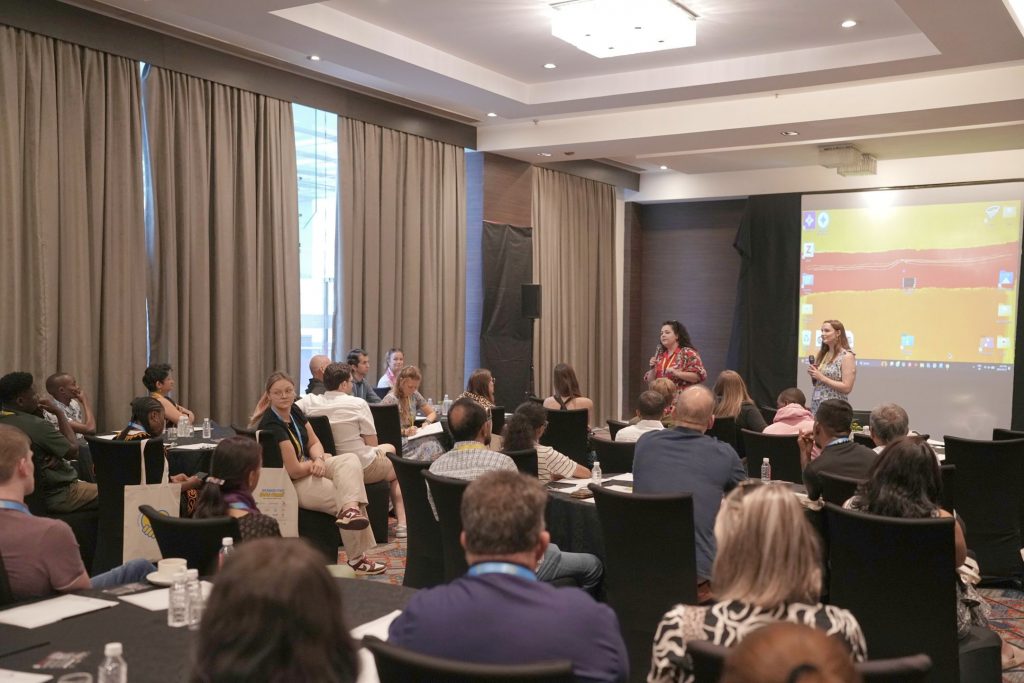
Every time I looked up, more people had arrived. The room was full, but more importantly, it was engaged. Conversations started almost immediately. It didn’t feel like the usual conference small talk warm-up where everyone politely tests the waters before settling in with the group.
That’s what captured my attention–this atmosphere didn’t feel accidental.
Why Conversations Started Immediately
As the discussions unfolded, I noticed something I often see within the diabetes community. People could describe experiences of stigma very easily, like their experiences had become so familiar that they no longer stopped to examine the weight of them.
I think many people with lived and loved experience of diabetes become used to functioning this way.
Diabetes can be relentless. You manage the next low or high blood sugar, the next pharmacy or insurance hurdle, the next healthcare interaction that leaves you feeling blamed instead of supported. You explain yourself over and over again, and eventually, many people learn just to keep moving forward because what other choice is there?
But that night felt different.
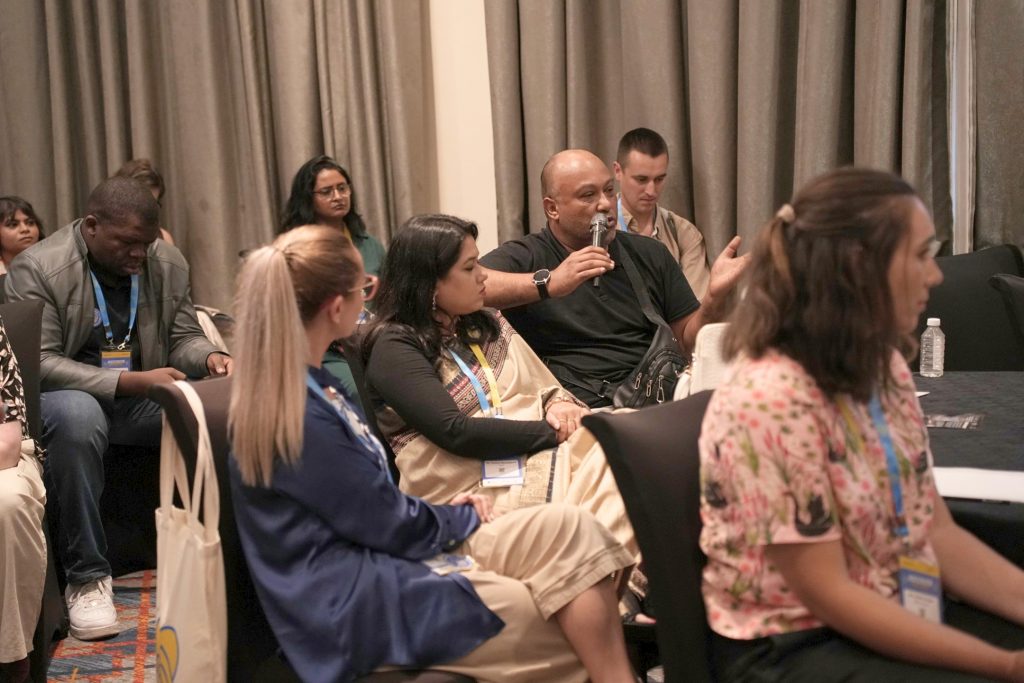
Conversations moved beyond introductions. People were openly discussing healthcare experiences, burnout, disclosure, food insecurity, supply challenges, and the systems that often fail to meet people where they are. There was very little hesitation.
Later in the evening, my husband joined us for the welcome reception and quietly commented, “Wow, everyone is really welcoming here.” He was right. That observation captured something important: people weren’t wasting energy deciding whether the room was safe to share or not. They already knew it was. And what a wonderful way to begin the summit.
Why the Atmosphere Felt Different
I kept thinking about what made the atmosphere feel so different, and I think the keyword is “intentionality.”
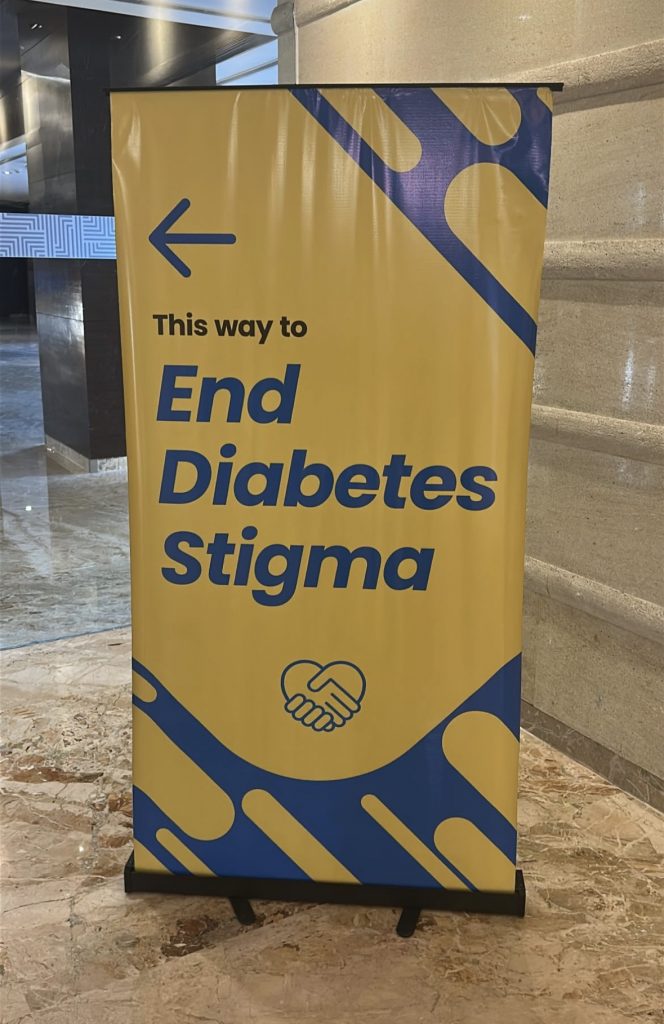
Before the summit even began, organizers had already established expectations around care, respect, inclusion, and dialogue through the Summit’s Care Protocol. That might sound like a small detail, but I really do not believe it was. It shaped the environment and felt deliberately designed to help people feel safe enough to participate honestly.
It also mattered that the evening centered around films and facilitated dialogue rather than formal presentations. The films weren’t treated like side entertainment before the “real” summit began. Storytelling contributions were one of the abstract submissions for the summit. Storytelling and lived experience were treated as valid, essential forms of knowledge from the very start.
Watching a film about stigma in a room full of people who understand those experiences creates a very different kind of conversation than watching alone.
The pauses between the films mattered too. People reflected out loud, connected their own experiences to what they had just seen, and built on each other’s thoughts in real time.
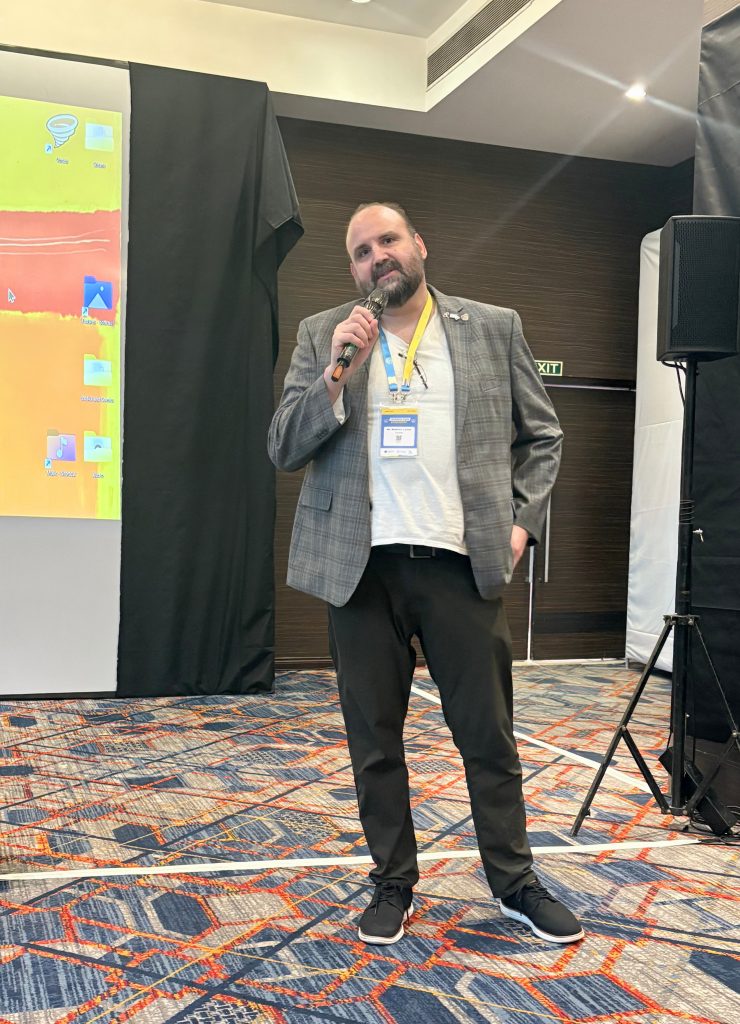
Another powerful moment was when Matt Larson, Diabetes Action Canada (DAC) Patient Partner, shared Low Priority, a film about the resilience required to manage diabetes while experiencing homelessness.
Matt appears in the film and helped co-create it with the Calgary Diabetes Advocacy Committee (CDAC), grounding the evening’s conversations in lived experience that’s too often overlooked.
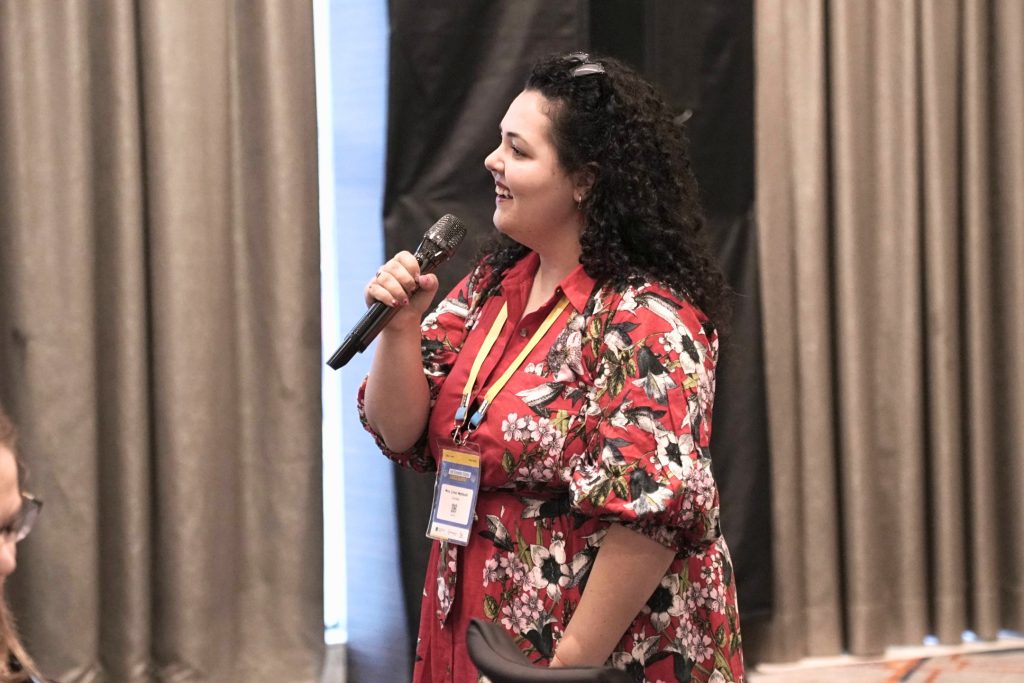
Strong facilitation played a critical role. Linxi Mytkolli, DAC Director of Patient Engagement, created opportunities for people to pause, reflect, and deepen the dialogue, rather than feeling pressured to rush to the next topic.
Nobody seemed eager to leave. In fact, more people kept joining the room as the evening went on.
What This Teaches Us About Patient Engagement
One of my biggest takeaways from that evening was that meaningful engagement does not happen automatically just because people are in the same room. Honest conversations about stigma require intention.
If we want people with lived and loved experience to share openly about difficult topics, we have to create environments where they feel safe enough to do so from the very beginning.
That means:
- Clearly communicating care expectations well before events begin
- Treating storytelling and arts-based sessions as essential to dialogue– not just as “extra” programming.
- Creating time for reflection and facilitated discussion instead of expecting people to process difficult topics alone.
During the summit, Anmol Budhiraja, DAC patient partner, captured this perfectly during his presentation:
“The problem was never that I didn’t have something to say. It’s that no one created the space for me to say it.”
That’s what felt different on Friday night. The summit didn’t just invite people into the room; it also created conditions where people could participate honestly and feel heard.
And that opening night made something very clear: When you build intentional spaces rooted in care, people show up fully, not because they feel obligated to, but because they feel like they finally can.
Featured in Article


