

Not Another Brick, Rehumanizing Diabetes Beyond Stigma: Reflections from the End Diabetes Global Summit

Mohammed Najeeb Ashraf is a medical communications expert and the CEO of SciVoc Consulting with over 35 years of lived experience with Type 1 diabetes. He brings a deep commitment to advocacy, health equity, and elevating patient voice in science and research.
Najeeb’s Call to Action: Rehumanize diabetes care by seeing and treating people as individuals with lives, identities, aspirations, and experiences beyond their diabetes.
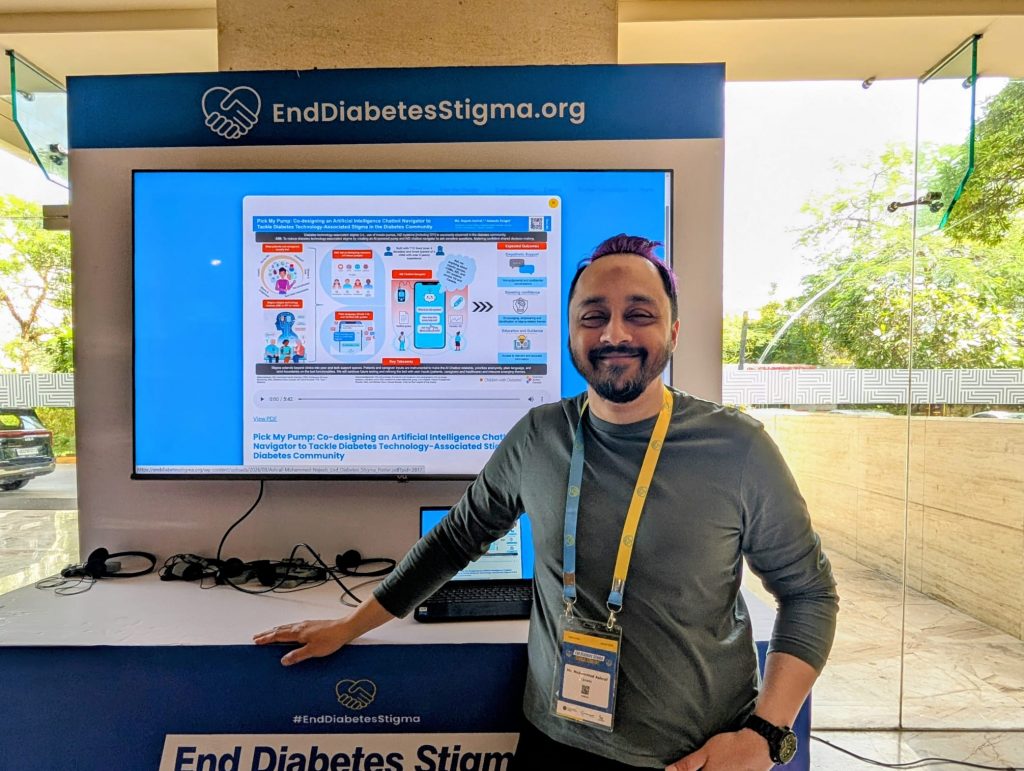
The End Diabetes Stigma conference in Jaipur, India, did not feel like just another addition to the long wall of conferences I have attended over the years. It wasn’t another “brick,” structured, informative, but distant. Instead, it felt like a relief that I didn’t know I needed.
I remember sitting in one of the early sessions, listening to a person living with diabetes describe how a routine clinic visit left them feeling judged rather than supported. There was no dramatic confrontation, no overt criticism, no complaints, but just a few words, a certain tone, a subtle shift in body language. Yet the impact lingered with them far beyond that consultation. I found myself thinking about how many such moments we unintentionally create, and how rarely we pause to notice them.
Throughout the conference, many stories like these stayed with me more than any slide or statistic.
In conversations over coffee, in panel discussions, and even in the quiet in-between reflective moments, there was a recurring theme: people were not just managing diabetes, they were managing perceptions.
I recall speaking with a participant who said, almost in passing, “Sometimes the hardest part isn’t the condition, it’s the constant need to explain it.”
That sentence stayed with me long after the conversation ended.
It made me reflect on how easily we default to labels. Terms like “non-compliant” or “uncontrolled” have, at times, found their way into people’s professional vocabulary without much thought. Hearing these lived experiences made me reconsider not just the words themselves, but the assumptions behind them.
What we intend as clinical shorthand can often be received as judgment.
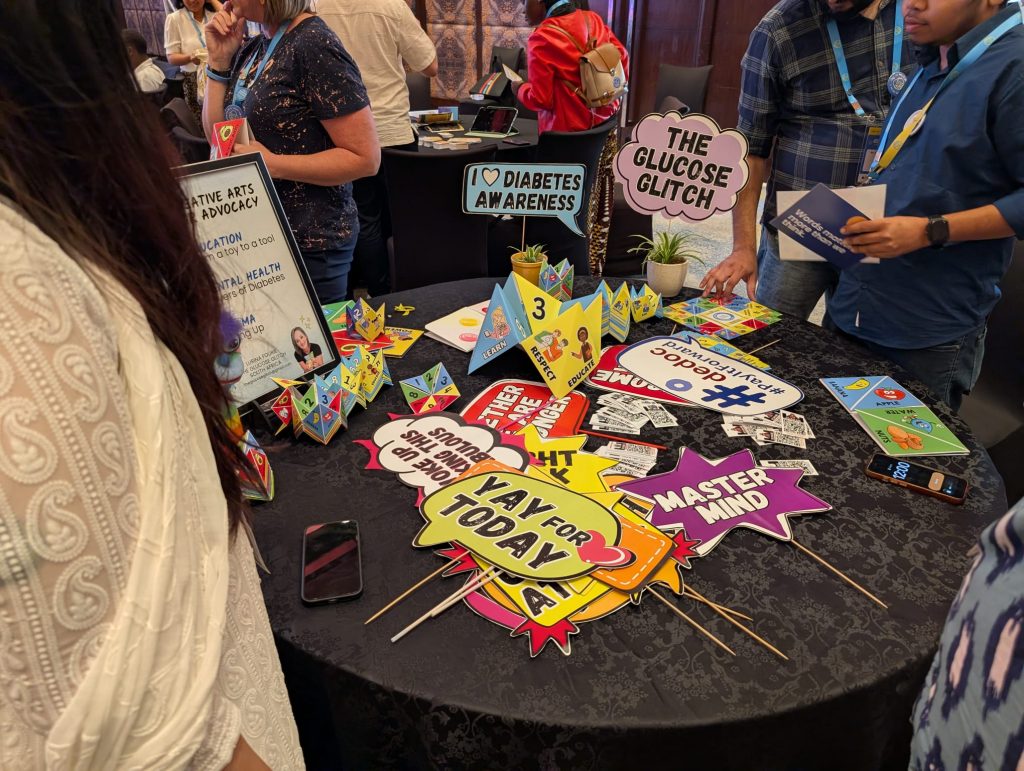
One moment that particularly stood out was a discussion on language. As the conversation unfolded, I became aware of how well-meaning communication can carry unintended weight. I found myself mentally revisiting past interactions with healthcare practitioners: emails written, discussions led, content developed, and wondering how they did not consider how I might have felt on the other side. It was both uncomfortable and necessary.
Yet, what made the conference truly different was not just the identification of the problem, but the sense of shared responsibility. There was a quiet but powerful acknowledgment that a single group does not create stigma and therefore cannot be addressed in isolation.
I had a brief exchange with a fellow attendee who said, “This isn’t about fixing patients; it’s about fixing the spaces around them.” That perspective felt both simple and profound.
The idea of community came through strongly. In rooms where patients, clinicians, and industry voices came together as equals, something shifted. The hierarchy softened. The conversations became more honest. It made me realize how rare and how necessary such spaces are.
As I left the conference, I found myself thinking less about what I had learned and more about what I needed to unlearn. Ending diabetes stigma is not a campaign or a one-time initiative. It is a continuous process of questioning our language, our assumptions, and the systems we operate within.
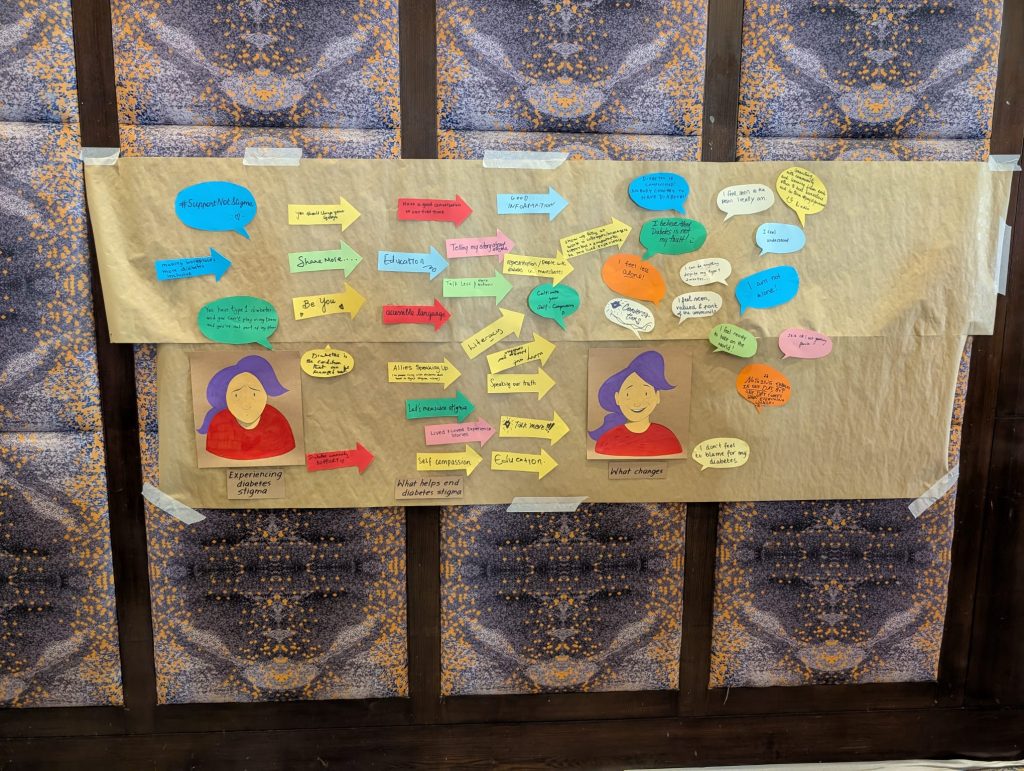
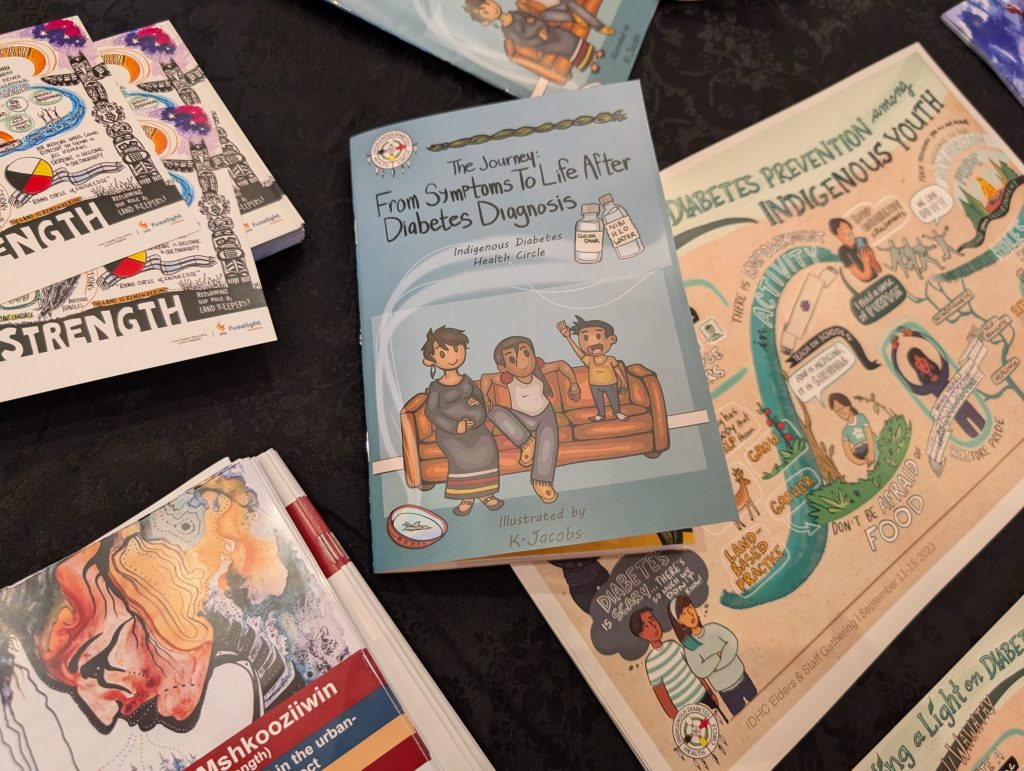
This conference was not another brick added to the familiar wall of professional discourse. If anything, it made me see the wall more clearly, how it has been built over time through habits, language, and blind spots. And perhaps more importantly, it made me believe that the work ahead is not about adding more structure but about carefully and intentionally taking parts of it down.
In that sense, Jaipur was a reminder that progress in diabetes care will not be defined solely by innovation or outcomes, but by whether the people at its center feel understood, respected, and truly seen.
And perhaps, that is where the real work begins.
Featured in Article

Associated Programs

Patient Engagement

Reshaping How we Research Type 1 Diabetes
On this episode of Actions on Diabetes, host Krista Lamb will be chatting with two guests who are looking at ways to improve the coordination of care for people living with type 1 diabetes. The Reshape T1D project tries to understand how people interact with the health care system by involving those living with T1D and their clinicians in designing the research process.
Our guests are Jamie Boisvenue, a PhD student at the Alberta Diabetes Institute and the University of Alberta, and Patient Partner Kathleen Gibson. They are hoping to highlight have lived experience to help clinicians provide better patient-forward care.

When Intention Creates Connection: Reflections from Night One at the Global End Diabetes Stigma Summit
