

Reflections from Day One of the End Diabetes Summit: Who Has the Power, and Who is Stigmatized?

Matt is a person living with type 2 diabetes. He lives in Toronto, Ontario, and works remotely as a research assistant with the University of Calgary.
Matt’s Call to Action: Create systems where people with lived experience are not just included in conversations about diabetes but are trusted, respected, and empowered to shape decisions.
My first day at the End Diabetes Stigma Summit was punctuated by several thought-provoking ideas that all relate to an overarching theme: stigma always exists within a power imbalance.
As a person living in a larger body, it was eye-opening to hear that many people of Indian descent tend to have more visceral fat due to cycles of famine that favoured this body type to survive. In Western culture, it seems that being overweight is often framed as a personal failing; something that is very much within one’s power to prevent.
The idea that a person’s genetic predisposition to carry more fat could end up saving their life when food becomes scarce demonstrated to me that not every aspect of obesity needs to be viewed as ‘a problem.’
Carrot or Stick
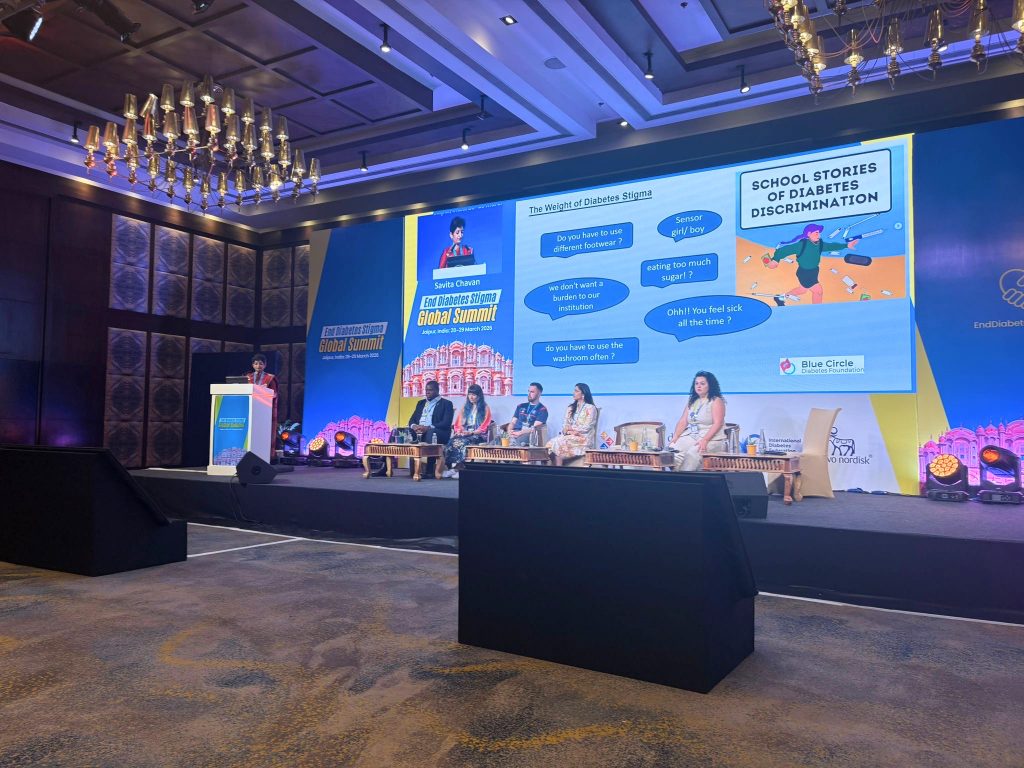
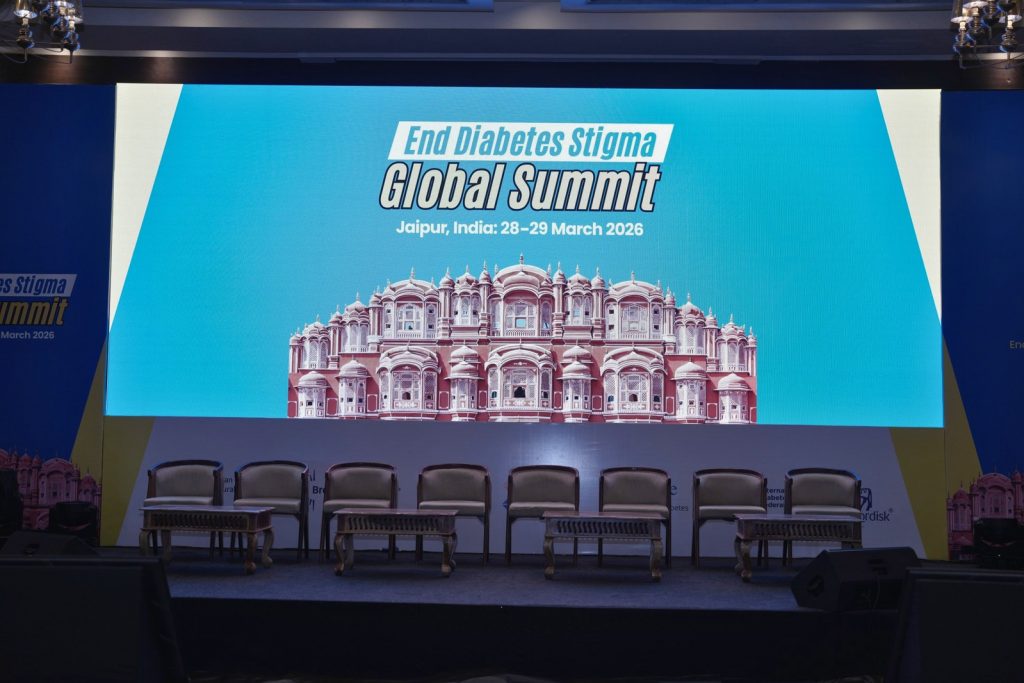
The power imbalance that exists between doctors and their patients was emphasized to me in a session discussing diabetes stigma in healthcare.
One doctor on the panel spoke of a time they had scolded their patient regarding their chronic ‘poor’ glucose control. The doctor framed this as an ultimately positive exchange, because more passive forms of encouragement had failed in the past, and berating their patient had motivated them to lower their A1C, ultimately ‘taking their illness more seriously.’
The impression I got from the doctor’s anecdote was that stigma is sometimes an acceptable method of assuring a patient’s compliance.
In a moment of tension, the session moderator called out the doctor, saying something to the effect of ‘it’s never alright to stigmatize others’ and ‘I challenge you to motivate your patients in a way that doesn’t harm their self-esteem.’
Listening Without Hearing
On a somewhat similar note, in between sessions, I found myself in a “conversation” with another doctor. I put that word in quotations because, while I think of a conversation as consisting of a give-and-take of ideas and opinions, I got the distinct impression that this doctor was primarily interested in what they had to say.
When I mentioned my work on diabetes, obesity, and stigma, the doctor listed off a litany of books and articles that I should read on the topic. Rather than ask me any questions, it seemed to me they were only interested in sharing how well-read they were. This sense of intellectual superiority is something I have experienced from many doctors over the years.
However, I have also known doctors who take the time to really listen to their patients and validate their thoughts and feelings. Doing so actually elevates my faith in their judgment, as no one is so wise that they cannot learn something new from another.
Joy in Unexpected Places
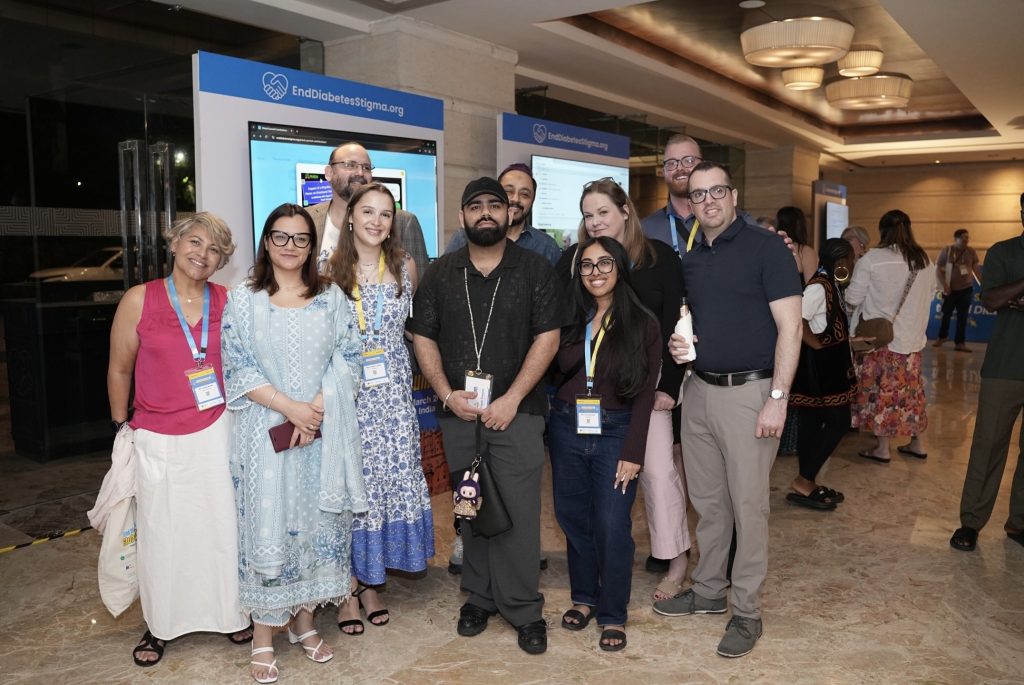
I think the most profound lesson I learned on the first day of the stigma summit was that conferences about tough subjects can also be full of laughter and joy.
The talent show, fashion show, and dance party at the end of the day were much-appreciated respites and a chance for people with lived experience to take centre stage.
Seeing people who have such intense connections to stigma confidently strut their stuff and fearlessly showcase their talents was nothing short of inspiring, and something that could not have happened if participants did not feel safe and supported.
It makes me wonder what else we can achieve as a community when all members are made to feel heard, seen, and empowered.
Featured in Article

Associated Programs

Patient Engagement

