

From Awareness to Action: What Day Two of the Diabetes Stigma Summit Revealed

Anmol Budhiraja is a mental health and crisis response professional from Toronto, Ontario, whose work is grounded in harm reduction and community advocacy and informed by their lived experience with Type 2 diabetes and caring for loved ones with the condition. As a patient partner and lived-experience research collaborator, they are passionate about challenging stigma, amplifying youth perspectives, and advocating for more equitable healthcare systems, and enjoy spending time with their dog, Drama.
Anmol’s Call to Action: Go beyond performative inclusion and commit to measurable change by ensuring people with lived experience are funded, represented, and empowered to lead in diabetes research, advocacy, policy, and healthcare.
Day Two of the End Diabetes Stigma Global Summit focused on moving conversations beyond stigma awareness and toward real action, accountability, and stigma-free care.
The sessions explored campaigns, communication strategies, advocacy, and community-led approaches that are actively challenging diabetes stigma around the world.
One session that particularly stood out was the discussion on creative arts and innovation to advance diabetes care and awareness. It was an interactive and deeply human session where people across the globe shared how storytelling, art, design, and innovation can challenge stereotypes and create space for more honest conversations about living with diabetes.
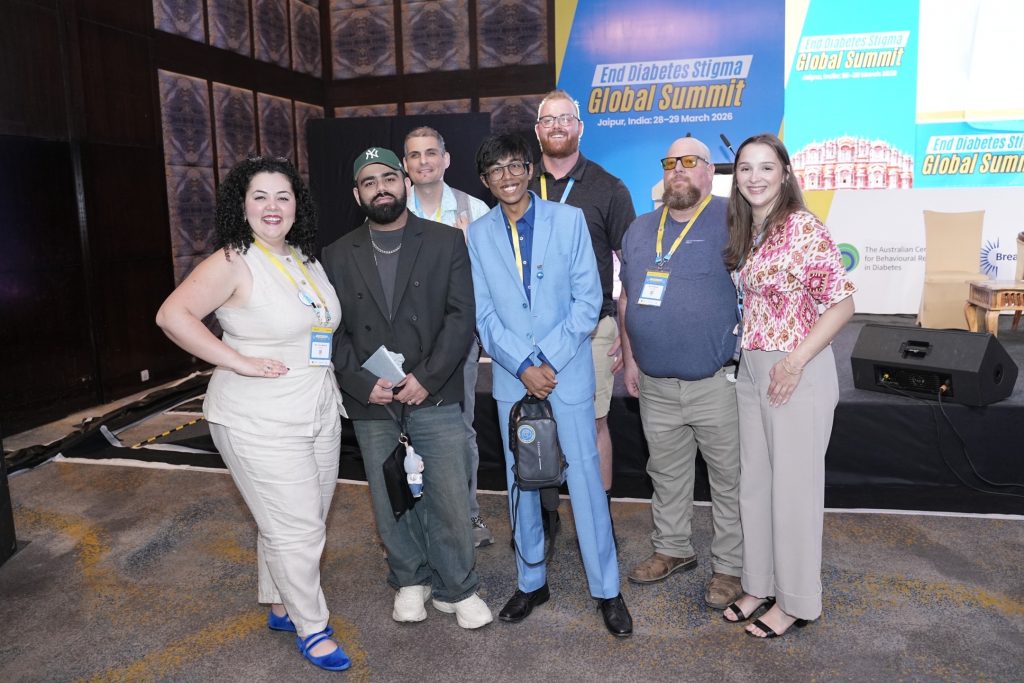
There were also important discussions about international human rights laws and how stigma continues to impact access to care, equity, and quality of life for people living with diabetes.
The summit closed with conversations focused on next steps and collective action to end diabetes stigma, followed by the #dedoc silent auction and closing remarks from the summit’s visionary partners.
The final video recap of the summit brought the room to tears. There was a powerful mix of gratitude, joy, and sadness as people reflected on what had been created together over the past few days.
Three things especially stayed with me.
First, people living with diabetes were visible everywhere in the room, as MCs, speakers, organizers, facilitators, advocates, and participants. Inclusion did not feel performative or like an afterthought. It felt foundational to the entire summit.
Second, it was refreshing to see new advocates and newly diagnosed individuals being intentionally included in conversations and leadership spaces. Too often, advocacy opportunities are limited to the same voices. This summit created room for growth, mentorship, and community building.
Third, the emotional atmosphere at the end of the conference reminded me how rare it is for people with lived experience to feel truly seen in healthcare spaces. There was a shared understanding in the room that many people had spent years navigating stigma, judgment, or feeling unheard.
Why does this matter? Because expertise does not only come from research, policy, or clinical practice. It also comes from living with diabetes every single day.
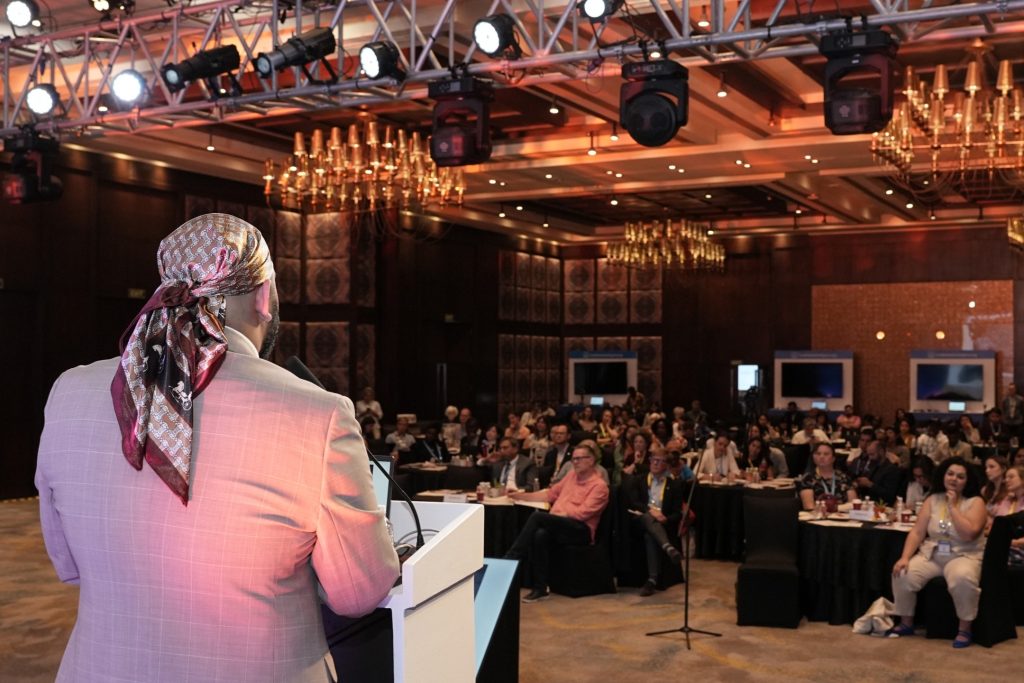
Meaningfully centering lived experience improves research, strengthens advocacy, informs policy, and ultimately leads to more compassionate and effective care. Diabetes stigma cannot be addressed without the leadership and guidance of the very people who experience it firsthand.
Something that shifted in me during this summit was a deeper sense of confidence and belonging. Unlike many conferences, this space did not make people with diabetes feel observed or studied. It made them feel trusted. Being surrounded by so many advocates, researchers, healthcare professionals, and community members working toward the same goal made me feel more grounded in the importance of this work.
It reminded me that people living with diabetes are not just patients within a system; they are leaders, experts, and changemakers whose voices carry power.
As conversations move forward, conferences and organizations must go beyond symbolic inclusion and commit to measurable change.
This includes implementing a 1:1 funding model where, for every funded attendee without lived experience, one person with lived experience is fully sponsored to attend. At least 40 percent of engagement and participation funding should directly support people with lived experience through honorariums, travel, accommodations, accessibility, and childcare.
Conferences should also ensure that at least 60 percent of planning and steering committee members are people with lived experience of diabetes, while reserving leadership roles such as MCs, moderators, and facilitators for community members themselves.
In addition, at least 10 to 15 percent of funded participants should be first-time advocates or newly diagnosed individuals to help build future leadership.
The End Diabetes Stigma Global Summit showed what is possible when lived experience is not simply included, but trusted, valued, and centered from the very beginning.
Featured in Article

Associated Programs

Patient Engagement

