

The Humanity Behind the Condition: Reflections from the End Diabetes Stigma Global Summit

Al works as a heavy-haul trucker, is a husband, and a father of two teenagers. Al is an advocate and patient partner with Diabetes Action Canada and Obesity Canada, as he hopes to help all people whose lives are touched by disease. Al and his wife both live with type 2 diabetes and obesity, and both have a “loved” experience with their own fathers.
Al’s Call-to-Action: To improve care systems without losing humanity, by choosing curiosity over judgment and remembering there is always another side of the story we haven’t heard yet.
What surprised me, second only to my alarm clock, was the idea that recognising humanity can sometimes feel like a luxury.
Many cultures around the world seem to share some of humanity’s most challenging traits without any coordinated effort at all. Stigma and judgment appear to be nearly universal.
Yet we can push back against them by sharing what works by bringing together people who have lived with and cared for those affected by these conditions, learned valuable lessons through experience, and are willing to share their knowledge with others.
None of us asks for a disease, yet it often arrives uninvited, unwelcomed even, changing the course of our lives. In response, communities form to offer support, connection, and understanding.
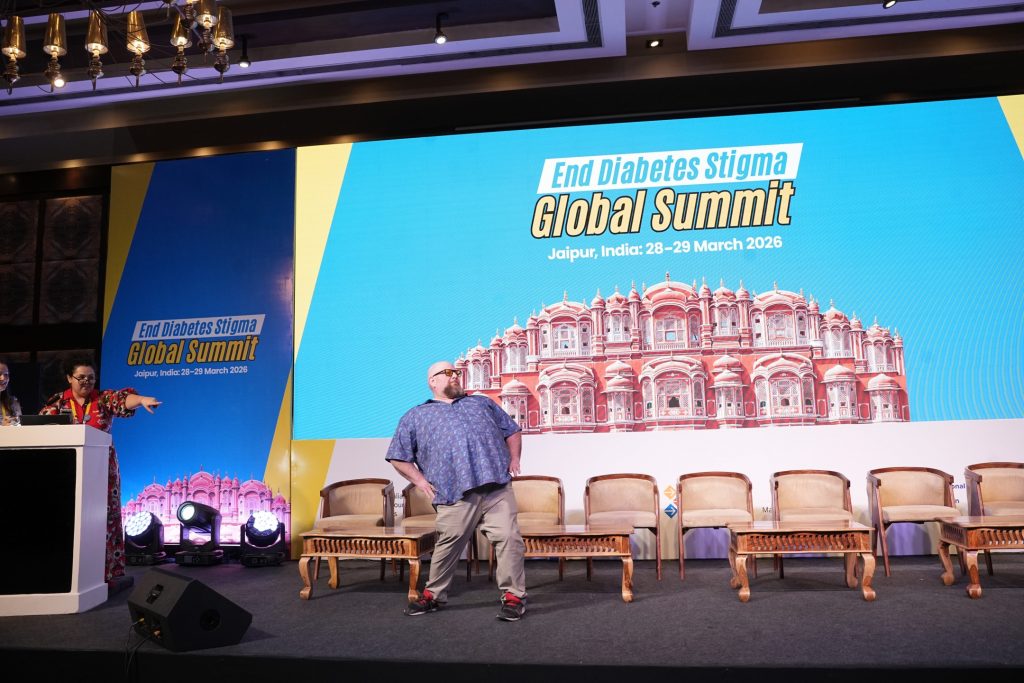
What we do welcome: the chance to bring together people who have lived through these experiences, learned valuable lessons along the way, and are willing to share their knowledge to help others navigate similar journeys.
At the End Diabetes Stigma Global Summit, attendees had the opportunity to hear from people living with and supporting those who live with HIV, who spoke candidly about stigma and the lasting effects of assumptions made about their behaviour, choices, and identity.
For me, there is no greater privilege than sharing a stage with people who advocate for communities affected by highly stigmatised conditions and who work tirelessly to create understanding and change.
It seems obvious, yet many of us have been exposed to false narratives about certain conditions that lead us to believe we know “the kind of person” who gets sick. But the people I have met tell a different story. They are compassionate, resilient, hardworking, and dedicated individuals. The stereotypes we hold rarely reflect reality, yet it can be easier to hide behind them than to confront a difficult truth: illness does not discriminate, and no one is exempt.
When a disease becomes synonymous with a behaviour, or a subculture or a vocation, it drives more stigma into those living with it and weaves bias into the collective consciousness of societies.
Labels and judgments can begin to speak for a person before they ever have the chance to speak for themselves.
After listening to people share their experiences, especially those who lack reliable access to care and medication, I realised how much I had yet to learn. I was immediately struck by the number and scale of challenges that exist beyond those I had already recognised.
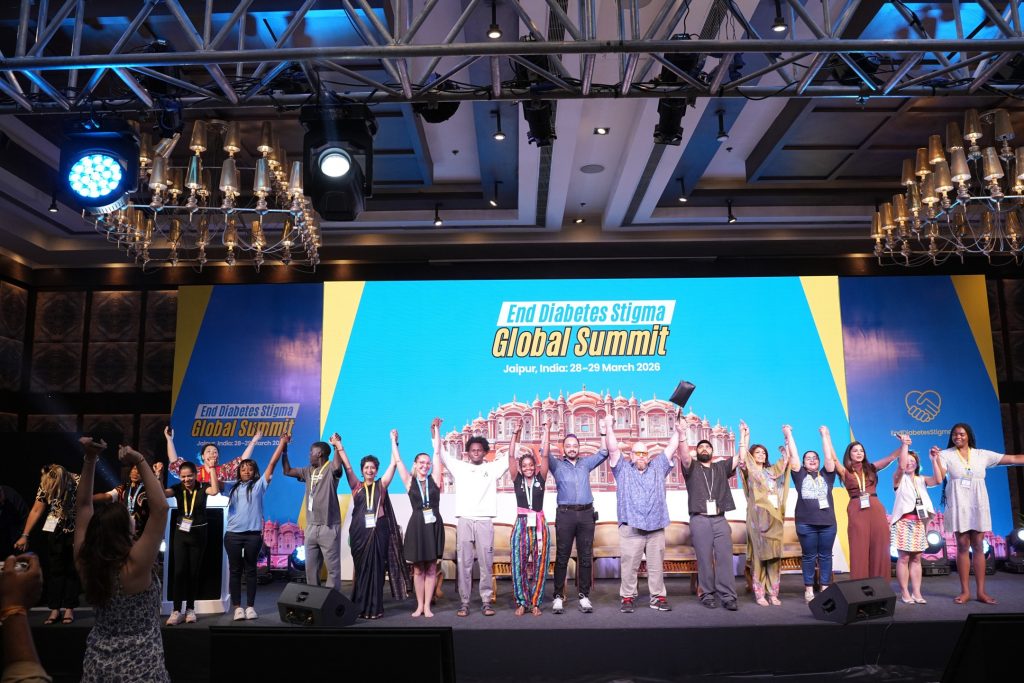
It was powerful to hear from someone living with little to no access to insulin, yet who spoke with compassion rather than judgment. Their perspective left me reflecting on how, in places where medicine and healthcare are comparatively accessible, it can be easy to overlook the gaps that still exist.
As members of the panel and audience shared their experiences, a common theme emerged: when resources are limited, empathy and care become some of the most valuable things people can offer one another. Their stories were a reminder that while access to treatment is essential, compassion is equally important in supporting those living with chronic conditions.
I came up with this postulation:
The closer we are to “good care,” the more room there is for judgment. Judgement without context. Judgement without knowing the other side of the story. But that space could just as easily be replaced with empathy, compassion, and insights.
We shouldn’t need to strip back what is already adequate to continue improving and to offer additional support to patients.
As with any summit or conference, some of the most meaningful moments happen between sessions.
Strong relationships between individuals and organisations help build meaningful connections that support collaboration, shared learning, and collective impact.
My personal goal was to make ten connections and follow up with each person in the weeks following the summit.
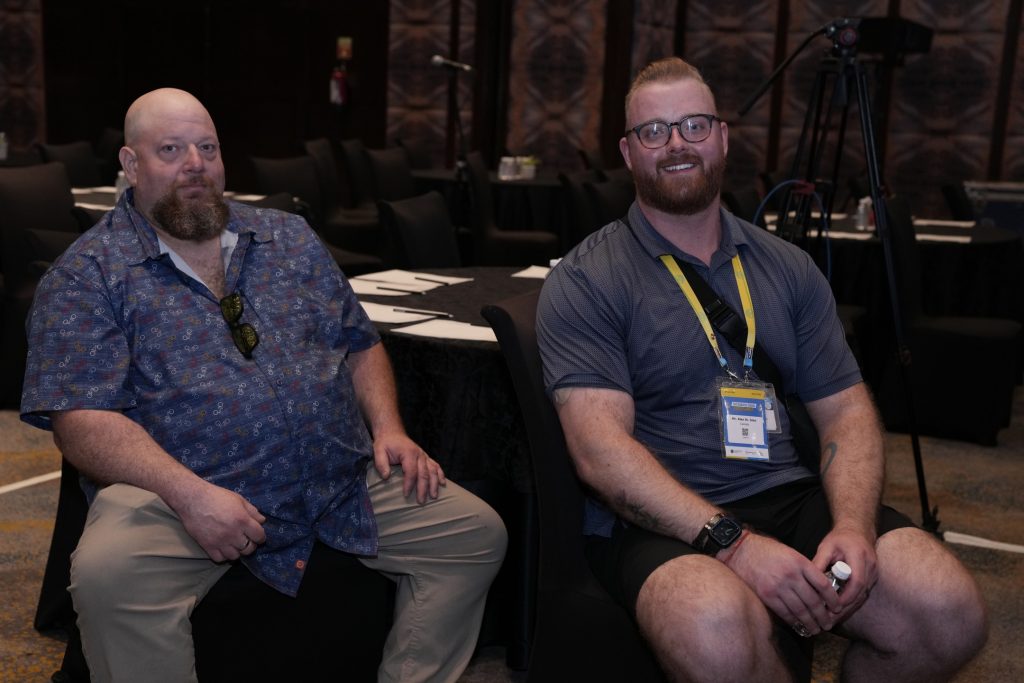
I’ve done some of that, though I know I still have to be more intentional about it. Even so, I have continued to communicate with many people I knew before, and after the summit, I hope those relationships continue to grow and that others do the same.
Returning at the end of Saturday, we were treated to performances from talented folks from all walks of life. Dance, music, song, comedy, poetry, and spoken word were all part of the evening presentations.
Combined with a fashion show representing many different cultures around the globe, these celebrations of who we are as individuals are a great opportunity to showcase how much more we are than our diagnosis or personal and professional roles. It opens a window into the humanity that is often hidden by “business casual” and “professional presentation.”
Perhaps that is the challenge moving forward. No, simply improving care, but making sure humanity is not lost within it. If we want better systems, maybe we can begin by choosing curiosity over judgment and remembering that there is almost always another side of the story we have not heard yet.
Featured in Article

Associated Programs


