

Beyond the Token Seat: Patient Partnership Across the Research Lifecycle

Alex St. John is a PhD candidate in Physical Activity Sciences at Université de Montréal, where his research focuses on exercise and blood glucose management in people living with type 1 diabetes, a condition he has navigated himself for over 13 years. Based between Ottawa and Montréal, he is a Diabetes Action Canada Research-to-Action Fellow and a competitive strength sport athlete.
Alex’s Call to Action: Move beyond token patient engagement and embed patient partners as equal collaborators throughout the entire research lifecycle, ensuring lived experience helps shape research priorities, decisions, and impact.
At recent conferences, I’ve been intrigued by how people with diabetes introduce themselves. Often, there are two introductions in the same sentence: first the credentials, then the diagnosis.
The order and the pause between them feel intentional. It captures what brought hundreds of people together at the Global Summit to End Diabetes Stigma in Jaipur, India. Who gets to speak for diabetes, and from where?
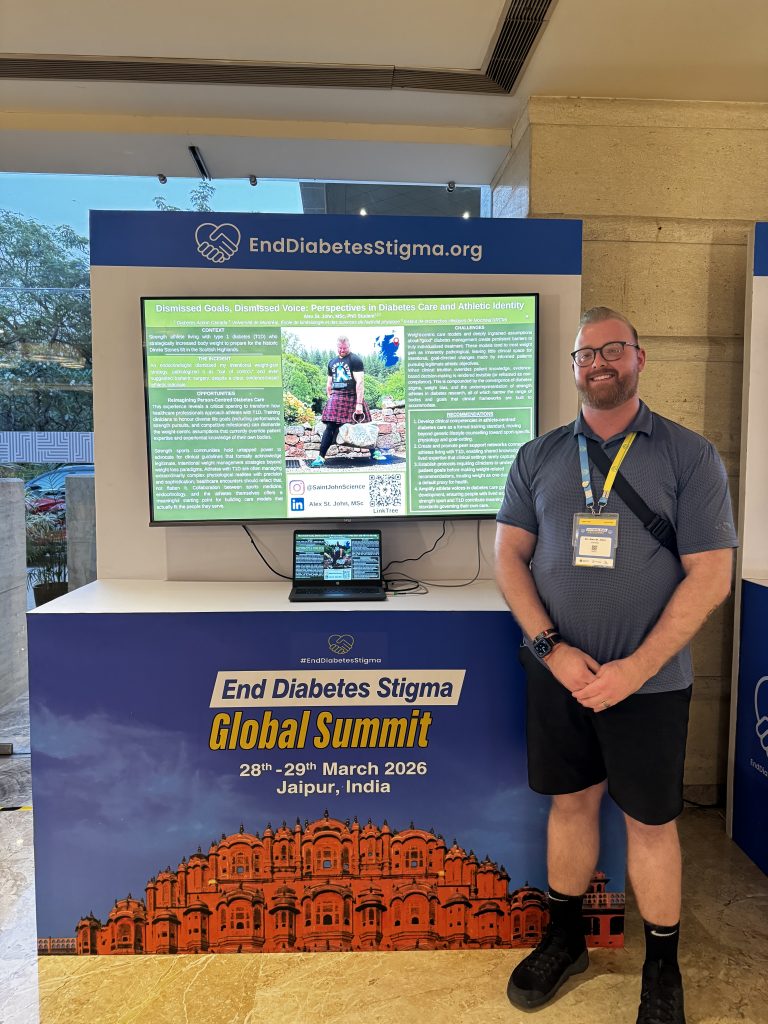
I attended the Summit as a Diabetes Action Canada Research-to-Action Fellow, and as someone who has lived with type 1 diabetes for over 13 years. Those two identities collide every time I draft a protocol, write a grant, or step up to a microphone.
My time in Jaipur sharpened my sense of how often the research enterprise still treats them as separable.
Five Levels of Patient Partnership
Patient partnership is having a moment in health research. Canadian Institutes of Health Research (CIHR)’s Strategy for Patient-Oriented Research, Diabetes Canada’s funding expectations, NIHR’s standards in the UK, and PCORI’s model in the US have all helped build an institutional architecture for engagement.
But a patient partner can describe very different roles depending on where in the research lifecycle the partnership happens. In practice, it operates at five distinct levels.
Research Agendas
The most influential level is research priority-setting: deciding which questions get studied at all. The James Lind Alliance pioneered this model in the UK, and Diabetes Action Canada has used it to re-rank research questions submitted by people living with diabetes, caregivers, and clinicians.
The results are often jarring for researchers. Topics that dominate the literature (pharmaceutical efficacy, new device trials) routinely rank below questions about mental health, daily decision-making burden, and access. When you let community members set the agenda, the agenda changes.
Patient Partners on the Grant, Not Just in the Footnotes
The next level is funding. Patient partners now appear on grant applications across most major Canadian and international funders, often as named co‑applicants with dedicated budget lines.
A patient partner who joins in the final week, reviews a draft, and signs a form is not a co‑applicant in any meaningful sense. A partner who helped shape the research question, contributed to outcome design, and will participate in interpreting the results is something else entirely. Funders are beginning to ask more probing questions about how partners were involved, and that pressure will likely increase.
Designing Protocols With, Not For, Patients
Protocol design and study conduct are where lived experience intersects with methodological choices, often with very concrete effects. The Hypo-RESOLVE Consortium, for example, convened a patient advisory committee whose input shaped the project’s definitions of clinically significant hypoglycemia, an upstream decision that influenced every downstream analysis.
Patient partners flag recruitment materials that sound overly clinical and alienating. They redesign consent processes. They tell you that the burden imposed by a proposed wearable schedule is unreasonable. My own PhD work has been stronger for these conversations, even when they slow things down.
Sharing Results with the Communities They Affect
Dissemination is the stage most people see: conferences, abstracts, plain-language summaries, social media. This is where research either reaches communities or remains confined to journals. Patient partners shape what gets translated, how it’s communicated, and for whom. Any research program serious about impact must treat dissemination as co-designed work, not as a phase that begins only after the manuscript is accepted.
Governance and Who Gets to Decide
The slowest (and arguably most consequential) layer is governance: patient advisory councils within clinical research institutes, lived-experience members on research ethics boards, and patient editors at major journals. These structures determine which research questions even reach the preceding four levels. Change here is slow and uneven, but when it does occur, its downstream effects are substantial.
On Occupying Both Sides of the Table
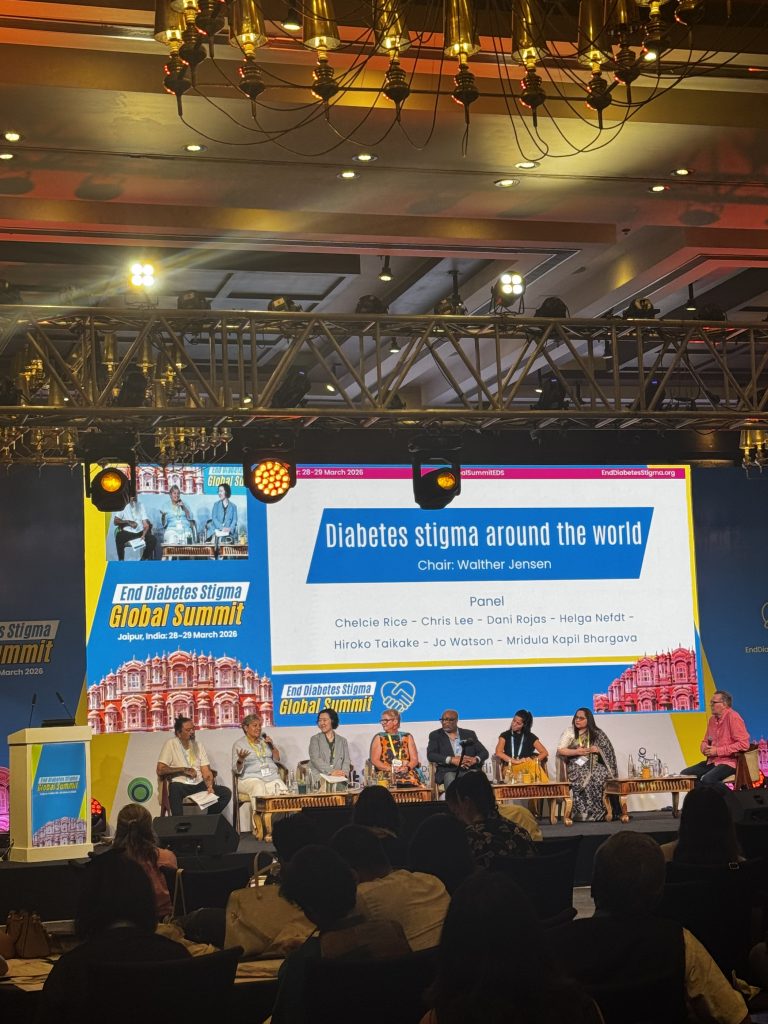
I’m still figuring out how to inhabit these layers. There is a particular discomfort that comes with being asked to represent “the patient voice” in a room where I’m also presenting data. In some rooms, I’m a researcher whose diagnosis is a footnote. In others, I’m a patient whose academic career is. The two framings ask very different things of me. Other delegates in Jaipur described the same tension. One recalled being introduced at a previous conference as a “patient expert,” a phrase that managed to be both elevating and limiting in the same breath.
Lived experience is a form of expertise, and like any form of expertise, it deserves to be paid, credited, and integrated into decision-making rather than displayed. Conferences are at their best when they model this. They’re at their worst when patient-partner panels are scheduled opposite the “real” scientific sessions.
What Meaningful Patient Partnership Looks Like
Here are a few markers I use to assess whether patient partnership in a project is genuinely meaningful:
- Partners are involved before the research question is finalized.
- There’s a dedicated and reasonable budget line for their time.
- They’re named in outputs, including as authors where appropriate.
- They’re present when results are interpreted, not only when data are collected.
- They can disagree with the team, and those disagreements can lead to change.
The absence of any one of these is usually a warning sign.
A Global Tapestry of Partnership and Stigma
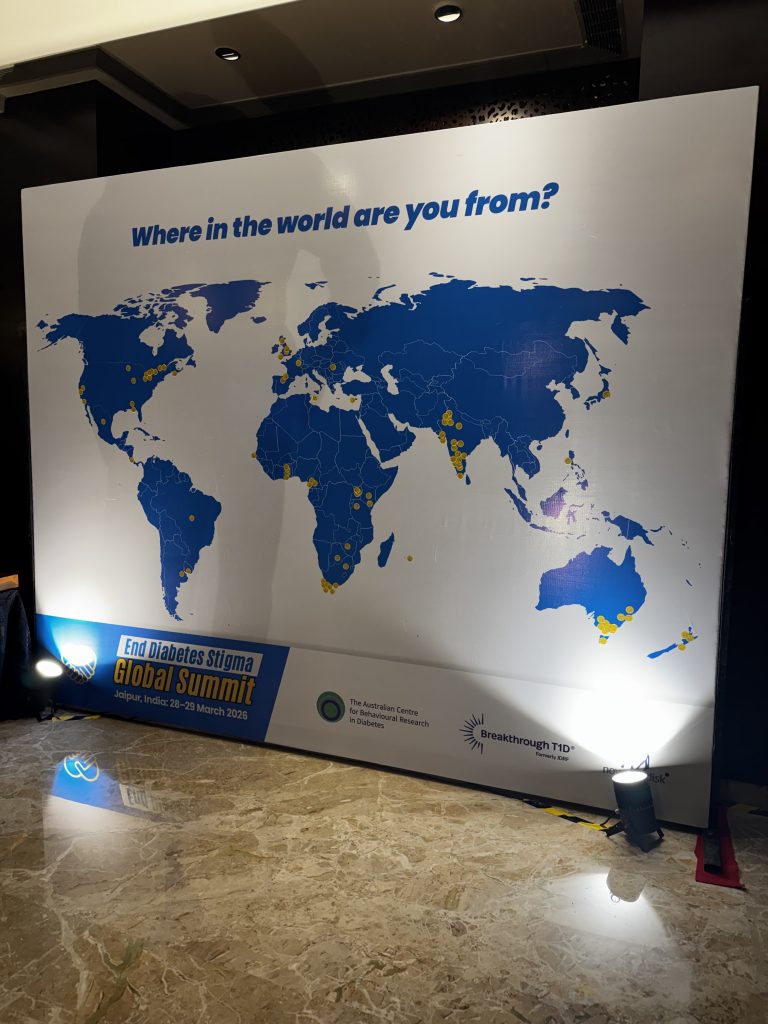
What the Summit added, beyond the specific content of the sessions, was a sense of a global tapestry. Patient partnership looks very different in a health system with universal insulin coverage than it does in one where families must ration supplies.
Stigma is shaped by access, by culture, and by who is allowed to speak publicly about their condition. Patient partnership in research is one of the mechanisms we have to keep these realities in the room.
Calls to Action
For researchers: Examine your next protocol and ask whether your patient partners helped shape the research question or merely reviewed it after the fact.
For funders: Keep asking the harder questions and keep raising the cost of tokenism.
For clinicians: Recognize when your patients are also experts — and treat them as such.
For people living with diabetes: Your voice in research is not a favour you do for the field. It is a structural requirement, and it should be paid, credited, and protected.
The Summit ended with a closing plenary and a flight home. The work it pointed toward is the long, slow kind: rebuilding the architecture of research one level at a time, so that lived experience is not a stage we visit but a foundation we build upon.
Featured in Article

Associated Programs


