Author: Macenzie Rebelo

Meet Macenzie Rebelo, DAC’s New Communications and Engagement Associate

Macenzie Rebelo joins the Diabetes Action Canada (DAC) team as a Communication and Engagement Associate. She is a graduate of Toronto Metropolitan University, where she earned her Master’s in Journalism.

Over the past four years, she has dedicated her journalism to advocating for people with autoimmune conditions and disabilities. Drawing on her lived experience with an autoimmune condition, Macenzie is passionate about advancing equity and inclusion, and amplifying community voices to drive meaningful change.

Here are some questions prepared by the DAC team to get to know Macenzie better:

1. We always start our sessions with an icebreaker: If you could have unlimited amounts of any summer treat, what would it be and why?

For me, nothing says summer quite like fresh slices of watermelon. Growing up, it was always my family’s go-to sweet treat after a backyard barbecue or a day trip to Wasaga Beach. With the rising cost of fresh fruit these days, the idea of having unlimited access to perfectly ripe watermelon sounds like an absolute dream.

2. Tell us a little about yourself and the path that brought you to this role.

I took a somewhat unorthodox path to my role at DAC. My academic journey originally began in film, but after the pandemic, I realized I needed to pursue a career that better aligned with my health needs and lifestyle as a person with a disability and lupus.

Writing and storytelling had always been passions, so in 2022, after writing for several publications, I decided to pursue a master’s degree in journalism. Around the same time, I began working at Lupus Canada as a Writer and Communications Associate. Through that role, I combined my interests in storytelling, patient engagement, and advocacy, which ultimately led me to join Diabetes Action Canada in 2026!

3. What interested you most about joining Diabetes Action Canada as Communications Associate?

As someone living with a disability and chronic illness, it is important to me that people with lived experience are included in the research, programs, and policies that directly affect them. When I saw that DAC was hiring for a Communications Associate, it felt like the perfect opportunity. I had been looking for a role in healthcare that was committed to amplifying patient voices and embedding patient engagement into its work.

The position combined so many of the things I love: storytelling, writing, marketing, and design, while also allowing me to contribute to meaningful change in the healthcare space. It felt like the ideal blend of creativity and advocacy. The stars truly aligned, and the opportunity came along at exactly the right time.

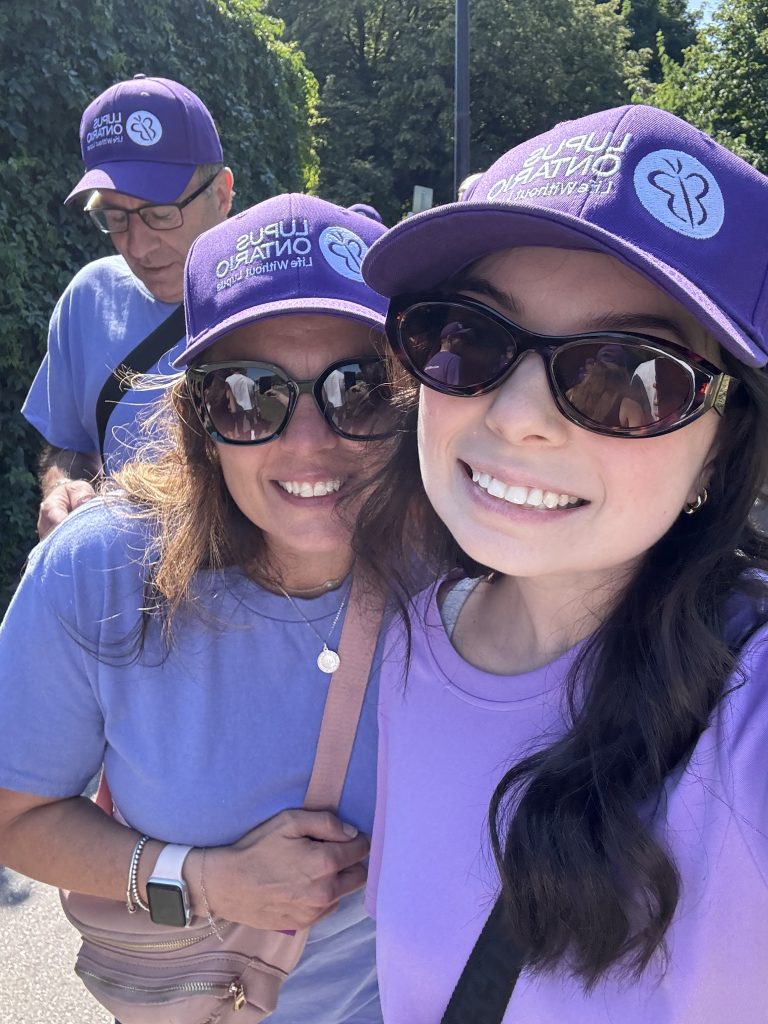
4. What will you be working on in your new role?

In this role, I work alongside Linxi Mytkolli, Director of Patient Engagement and Knowledge Mobilization. My work focuses on storytelling, design, and communications that highlight DAC’s impact in patient engagement, knowledge mobilization, and digital health.

I help share patient voices through initiatives such as the Patient Voices blog, the Research-to-Action Fellowship, and Patient Circles, while also creating articles and content that showcase the important work happening across the organization.

One of my favourite parts of the role is the opportunity to be creative. From designing social media content to supporting webinars and events, no two days are the same, and I get to combine storytelling, advocacy, and design in meaningful ways.

5. What excites you about communicating research, patient engagement, and the experiences of people affected by diabetes?

I have loved experience with diabetes, as it affects both sides of my family. Like lupus, diabetes is often an invisible illness, and through my work, I have found a strong sense of kinship within the diabetes community. While our conditions may be different, many of the challenges we face, like navigating daily life, relationships, and the healthcare system, are remarkably similar.

It is important to me that people affected by diabetes see themselves reflected in the policies, research, advocacy, and care that shape their lives. I feel fortunate to play a role in creating spaces where people can safely share their experiences, have their voices heard, and contribute to meaningful change. Knowing that these stories can help inform real-world impact is one of the most rewarding aspects of my work!

6. Outside of work, what are a few things that bring you joy or that people might be surprised to learn about you?

For much of my life, I was a painter and visual artist. Unfortunately, my condition has made painting more difficult over time, but art remains a huge part of who I am. I studied Art History during my undergraduate degree and now pursue art journalism on the side, with a particular focus on highlighting the work of disabled and queer artists.

It will likely come as no surprise that I am also an avid reader. I make a point of reading every day and am currently on my 15th book of the year. I tend to gravitate toward historical fiction, mythological retellings, biographies, and memoirs. As a lifelong Greek mythology enthusiast, one of my favourite books of all time is The Song of Achilles by Madeline Miller.

I am also passionate about music and enjoy playing guitar whenever my hands allow it. Beyond that, I love to travel. Some of my favourite destinations have been Ireland and the Azores, where my family is from. This year, I am excited to visit Amsterdam, where I plan to see the works of my favourite painter, Johannes Vermeer, at the Rijksmuseum. 

The Highs and Lows of International Travel: Reflections from the End Diabetes Stigma Summit

Ryan Hooey is a person living with type 1 diabetes (T1D) and a passionate advocate for accessibility. Diagnosed more than 30 years ago, Ryan’s experience with T1D has taught him the importance of ensuring equitable access to medication, technology and care. As a person with diabetic retinopathy, a degenerative eye condition experienced by many people with diabetes, Ryan is the handler of a CNIB-certified guide dog, Joe, and a Patient Partner with Diabetes Action Canada’s (DAC’s) Diabetic Retinopathy Screening program.

Ryan’s Call to Action: For travellers with diabetes to always consult with their diabetes management team/endocrinologist before boarding an airplane to ensure a safe trip.

Travelling internationally can be daunting even at the best of times, but when you toss in living with diabetes, this notion gets brought to a whole new extreme.

In this reflection, I hope to give you some things to consider, as well as some useful tips and tricks that you can use in a pinch – from packing up to boarding that return flight home.

It is no secret that something as simple as forgetting your favourite pair of sunglasses or your shirt can start the trip off wrong. But what about not packing enough insulin supplies or low blood sugar treats? 

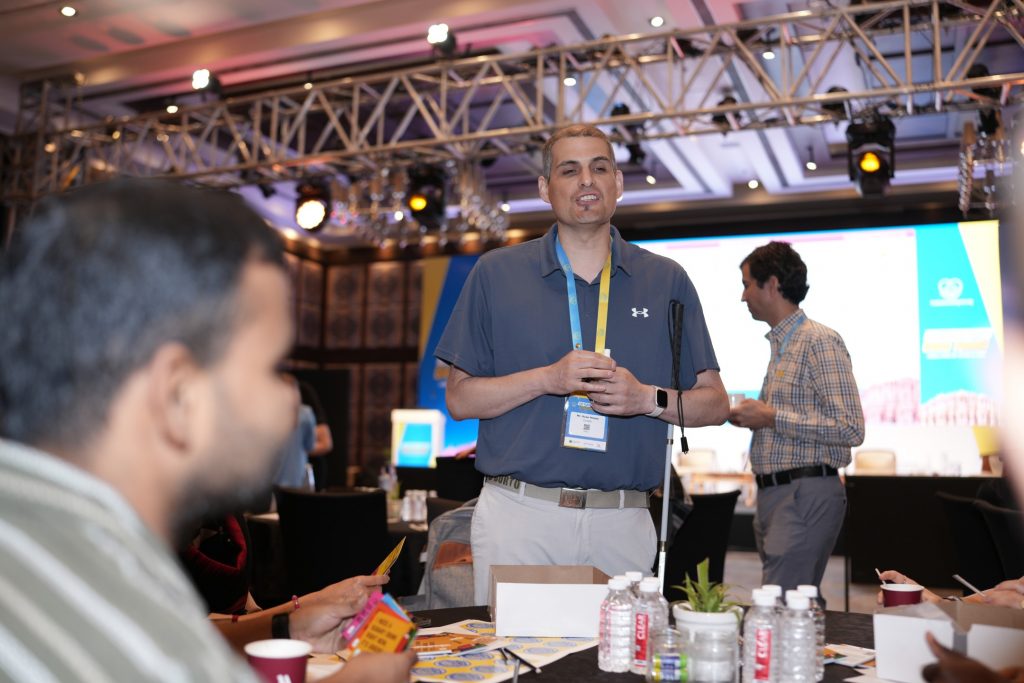
A medium shot focusing on a man with short grey hair speaking while standing at a conference table. He is wearing a grey Under Armour polo shirt, light-colored pants, a white smartwatch, and an event lanyard around his neck, and he is holding a white cane. In the blurred foreground, other attendees sit at the table, which holds water bottles and small cards. In the background, another man in a plaid shirt stands near the main stage area, which features lighting trusses and a large digital screen.
Ryan at the End Diabetes Stigma Summit in Jaipur, India.

When you start packing, keep these essentials in mind; they’ll help ensure a smooth start to your trip, especially for anyone living with diabetes who is travelling abroad.

  1. Bring double what you anticipate you will need for insulin supplies, insulin pump supplies and CGM. Keep this bag with you at all times as your carry-on.
  2. Even bring “old trusty” your glucometer in case it is needed for extreme emergencies.
  3. Get your endocrinologist to write a letter stating the need to travel with your medications because you are someone living with diabetes.
  4. I know we have all gotten our juice boxes taken away at security for attempting to go through with more than the maximum liquid amounts. Always pack the box of full sugar sport drink powder pouch mixes so that you always have something handy. Just mix with water, and your blood sugar will rise as high as you are on the airplane.
  5. Finally, for your initial packing list, do not forget the diabetic compression socks available online or at any pharmacy in North America to keep you comfortable on your flight.

Now let’s talk about being on the airplane. 

Do not take your insulin until you have your food in front of you. I have been someone who has done my insulin too early on the airplane, anticipating the arrival of food, and I ultimately dropped my blood sugar too low.

Another thing to consider is time zone changes, depending on your destination. One thing I have learned over the years of travel is that travelling West means being prepared for a longer day, and travelling. Be prepared for a shorter day if travelling East.

Speak to your Endocrinologist and diabetes care team regarding the best approach for adjusting insulin or your insulin pump settings.

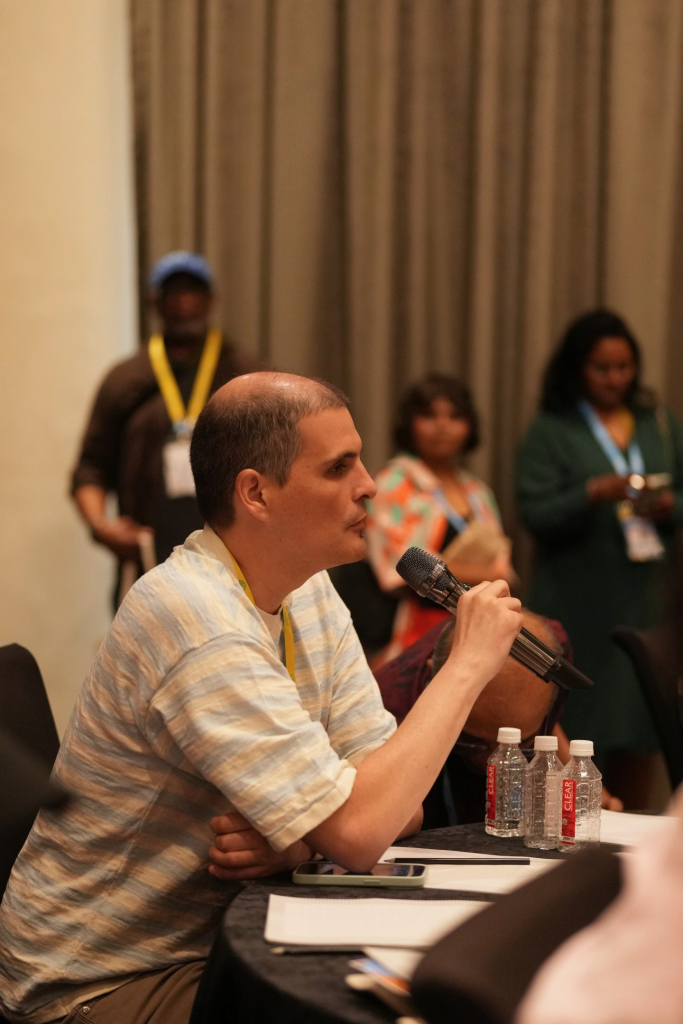
A medium shot focusing on a man with short grey hair speaking while standing at a conference table. He is wearing a grey Under Armour polo shirt, light-colored pants, a white smartwatch, and an event lanyard around his neck, and he is holding a white cane. In the blurred foreground, other attendees sit at the table, which holds water bottles and small cards. In the background, another man in a plaid shirt stands near the main stage area, which features lighting trusses and a large digital screen.
Ryan speaking at the Summit.

A good idea is to always wear a Medical Alert necklace or bracelet that indicates that you are someone living with diabetes and any other health conditions. 

In the past, I have also used Google to learn a few helpful phrases that are key when having a diabetes emergency, such as “ I have diabetes,” or “My sugar is low,” or “I need a sugary drink”. 

It is also important to purchase travel insurance in case any emergencies arise.

Here’s a great tip I learned when staying in hotels: your best friend is the in-suite coffee station. Where there is coffee, there are usually sugar packets nearby that can be used to treat low blood sugars, even in the middle of the night. This became a great option during my time in India during the Ending Diabetes Stigma Conference and Europe, when no other glucose or sugar was available.

Another thing that can make adjusting to travel difficult for someone travelling with diabetes is jet lag and being awake at times when your body is used to sleeping. 

When you’re tired, especially while travelling, it can be harder to notice the early signs of high or low blood sugar. That’s why it’s important to check your levels regularly, even if you don’t feel “off,” to help catch changes early and stay in range.

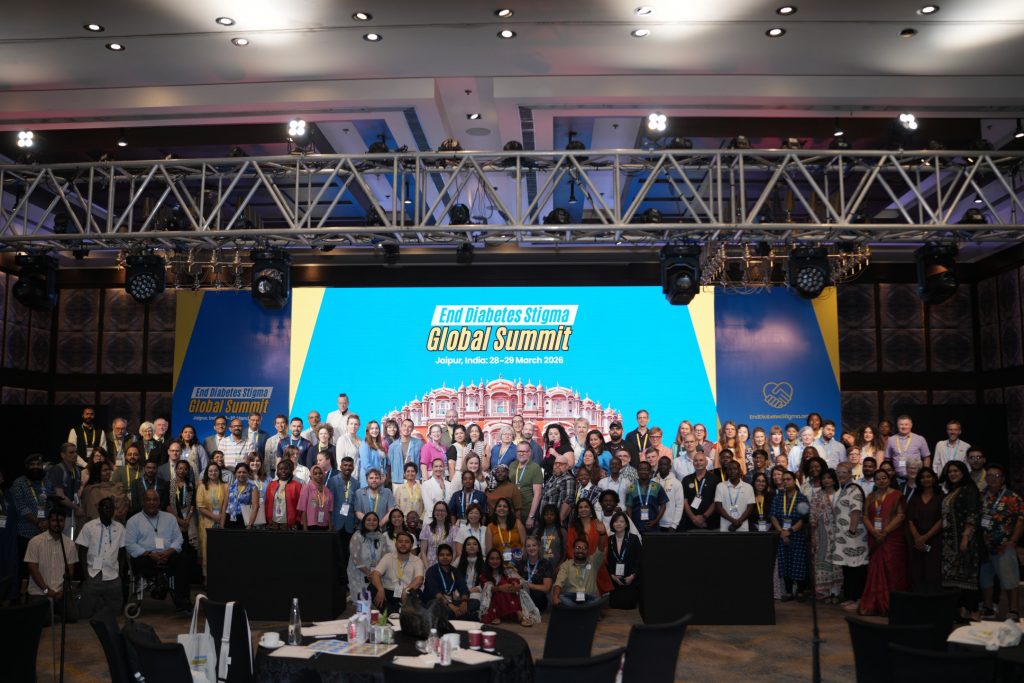
A wide, high-angle group photograph of a large, diverse crowd of attendees gathered in front of the main stage at the "End Diabetes Stigma Global Summit" in Jaipur, India. Dozens of people of various backgrounds and ages stand and kneel together, smiling for the camera. Behind them, the large digital screen displays the event title in white and yellow font against a bright blue background, featuring an illustration of the Hawa Mahal palace. The top of the frame shows an intricate metal lighting truss with stage lights hanging over the ballroom.
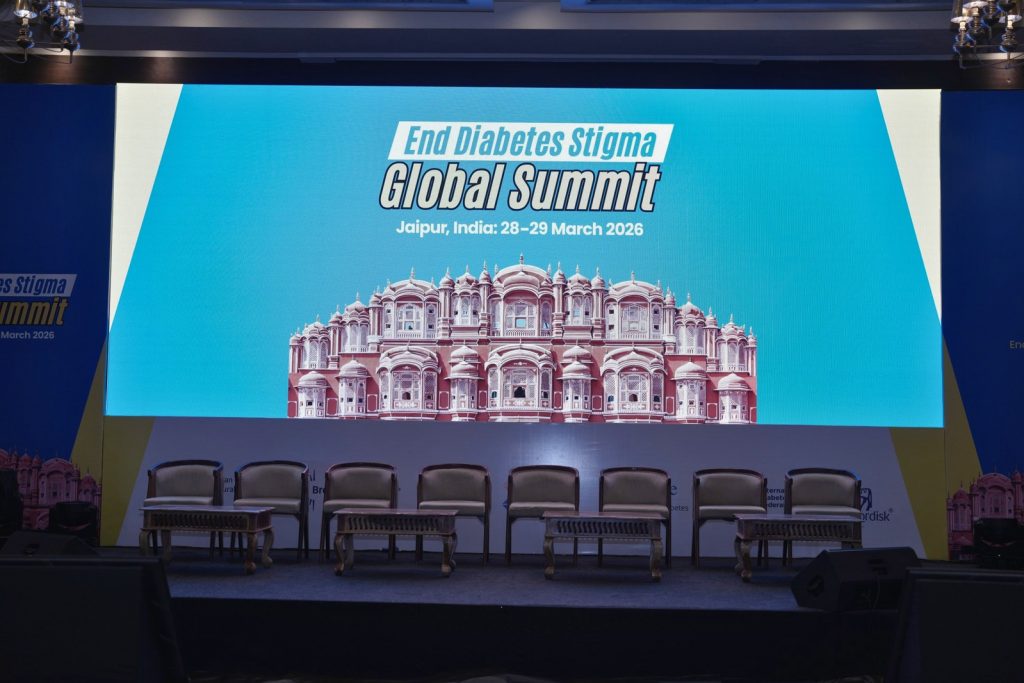
The End Diabetes Stigma Summit stage, 2026.

I also bring a non-internet-connected watch when I travel so it stays in my home time zone. This helps me keep track of how my body typically responds at certain times of day and can make it easier to anticipate patterns in blood sugar changes during the first few days after a time zone shift, before my body adjusts. Another simple option is to use your phone and ask, “What time is it back home?” to stay oriented to your usual routine.

The last important thing to remember is that when you’re out adventuring or sightseeing, always carry something to treat low blood sugar, and then bring a second option as a backup. Having multiple snack or fast-acting glucose choices ensures you’re prepared if one runs out, gets lost, or isn’t enough when you need it.

Wherever you choose to travel to have fun, always consult with your diabetes management team before boarding that airplane. I wish you happy trails and happy blood sugars.

Bon Voyage!

The Humanity Behind the Condition: Reflections from the End Diabetes Stigma Global Summit

Al works as a heavy-haul trucker, is a husband, and a father of two teenagers. Al is an advocate and patient partner with Diabetes Action Canada and Obesity Canada, as he hopes to help all people whose lives are touched by disease. Al and his wife both live with type 2 diabetes and obesity, and both have a “loved” experience with their own fathers.

Al’s Call-to-Action: To improve care systems without losing humanity, by choosing curiosity over judgment and remembering there is always another side of the story we haven’t heard yet.

What surprised me, second only to my alarm clock, was the idea that recognising humanity can sometimes feel like a luxury.

Many cultures around the world seem to share some of humanity’s most challenging traits without any coordinated effort at all. Stigma and judgment appear to be nearly universal.

Yet we can push back against them by sharing what works by bringing together people who have lived with and cared for those affected by these conditions, learned valuable lessons through experience, and are willing to share their knowledge with others.

None of us asks for a disease, yet it often arrives uninvited, unwelcomed even, changing the course of our lives. In response, communities form to offer support, connection, and understanding.

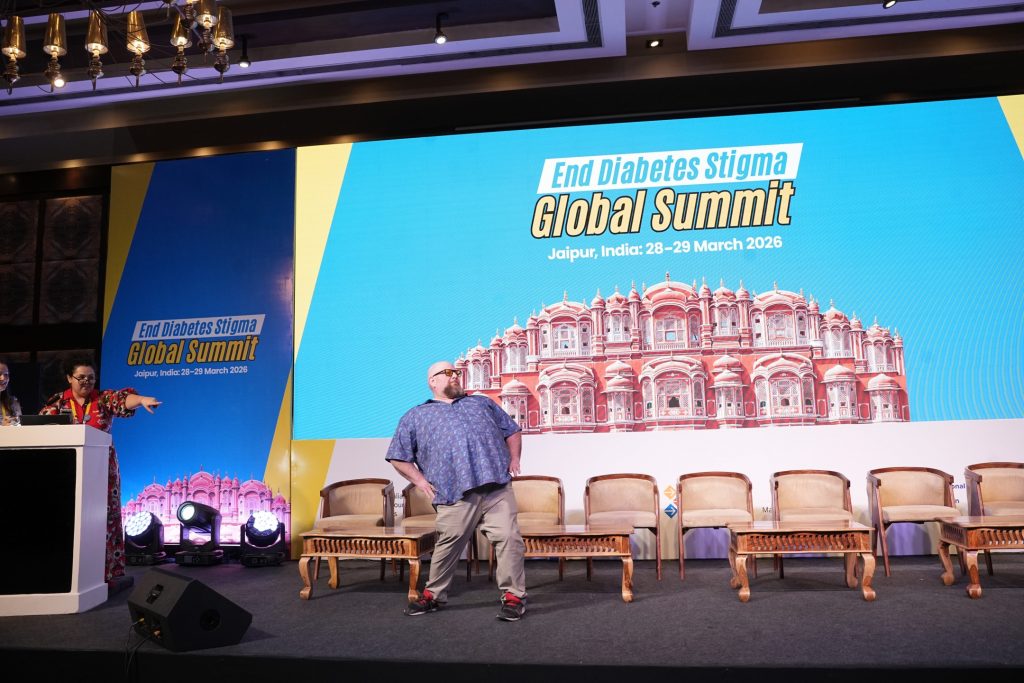
Al Martin on a large stage with a blue backdrop that reads 'End Diabetes Stigma Summit." Al is posing like a model on stage.
Driving real-world impact in diabetes care while having fun.

What we do welcome: the chance to bring together people who have lived through these experiences, learned valuable lessons along the way, and are willing to share their knowledge to help others navigate similar journeys.

At the End Diabetes Stigma Global Summit, attendees had the opportunity to hear from people living with and supporting those who live with HIV, who spoke candidly about stigma and the lasting effects of assumptions made about their behaviour, choices, and identity.

For me, there is no greater privilege than sharing a stage with people who advocate for communities affected by highly stigmatised conditions and who work tirelessly to create understanding and change.

It seems obvious, yet many of us have been exposed to false narratives about certain conditions that lead us to believe we know “the kind of person” who gets sick. But the people I have met tell a different story. They are compassionate, resilient, hardworking, and dedicated individuals. The stereotypes we hold rarely reflect reality, yet it can be easier to hide behind them than to confront a difficult truth: illness does not discriminate, and no one is exempt.

When a disease becomes synonymous with a behaviour, or a subculture or a vocation, it drives more stigma into those living with it and weaves bias into the collective consciousness of societies.

Labels and judgments can begin to speak for a person before they ever have the chance to speak for themselves.

After listening to people share their experiences, especially those who lack reliable access to care and medication, I realised how much I had yet to learn. I was immediately struck by the number and scale of challenges that exist beyond those I had already recognised.

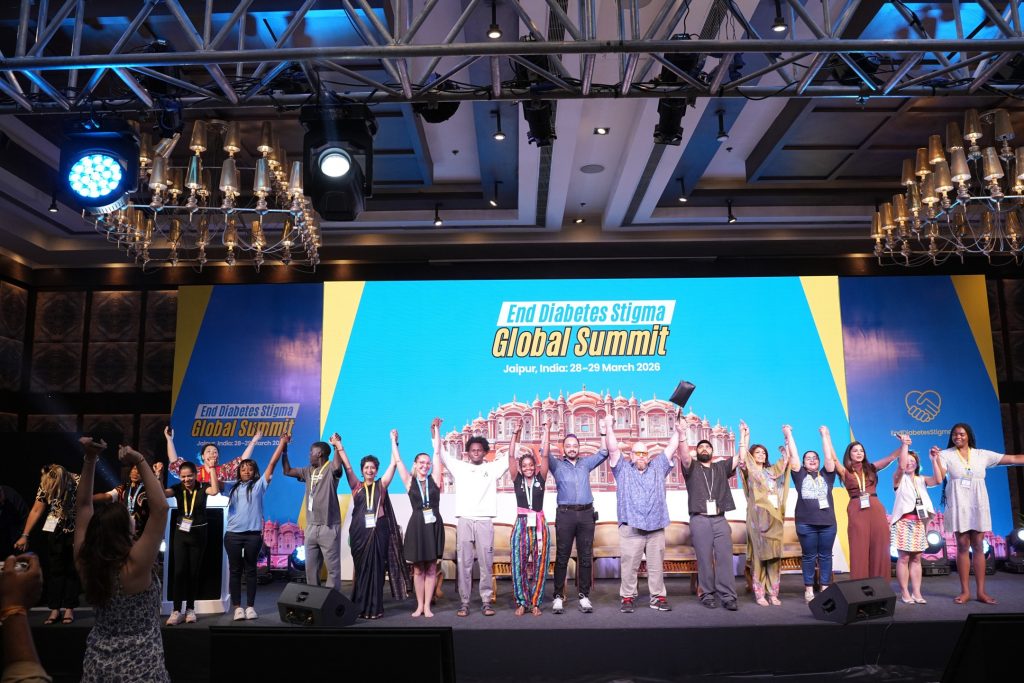
A wide shot of a brightly lit stage at the "End Diabetes Stigma Global Summit" in Jaipur, India. A diverse group of about fifteen people stand in a line across the stage, smiling and holding hands high in celebration. The large digital backdrop behind them is vibrant blue and yellow, featuring the event title and a prominent illustration of the Hawa Mahal palace. Above the stage, professional event lighting rigs and decorative chandeliers are visible, while a few audience members in the foreground cheer them on.
Participants celebrate on stage at the End Diabetes Stigma Global Summit.

It was powerful to hear from someone living with little to no access to insulin, yet who spoke with compassion rather than judgment. Their perspective left me reflecting on how, in places where medicine and healthcare are comparatively accessible, it can be easy to overlook the gaps that still exist.

As members of the panel and audience shared their experiences, a common theme emerged: when resources are limited, empathy and care become some of the most valuable things people can offer one another. Their stories were a reminder that while access to treatment is essential, compassion is equally important in supporting those living with chronic conditions.

I came up with this postulation:

The closer we are to “good care,” the more room there is for judgment.  Judgement without context. Judgement without knowing the other side of the story. But that space could just as easily be replaced with empathy, compassion, and insights.

We shouldn’t need to strip back what is already adequate to continue improving and to offer additional support to patients.

As with any summit or conference, some of the most meaningful moments happen between sessions. 

Strong relationships between individuals and organisations help build meaningful connections that support collaboration, shared learning, and collective impact.

My personal goal was to make ten connections and follow up with each person in the weeks following the summit. 

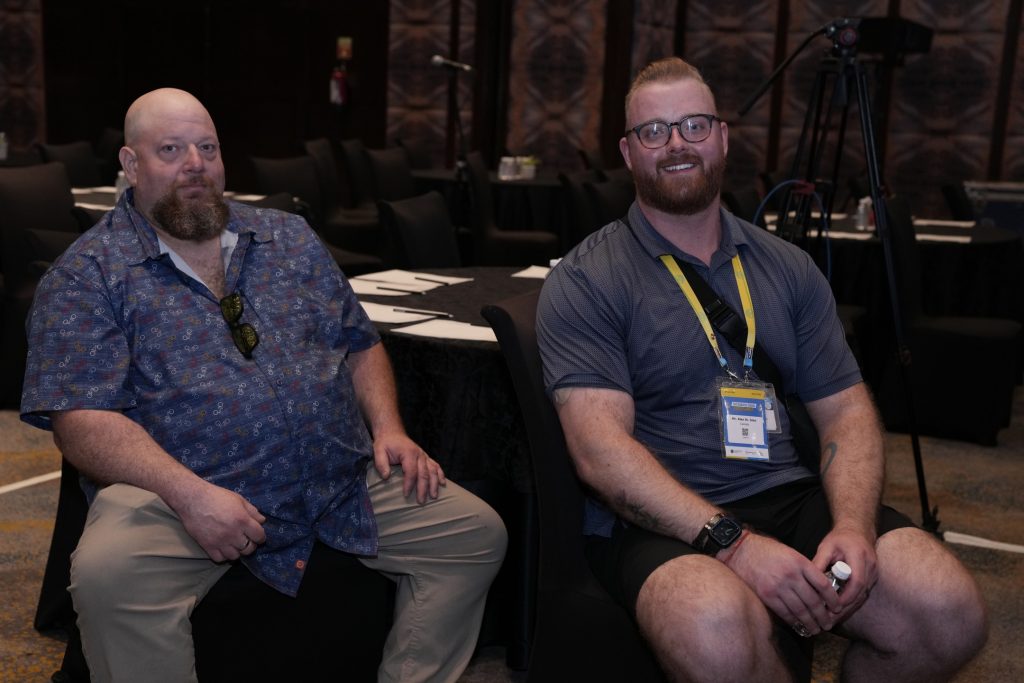
Two men sitting at a round conference table in a dimly lit banquet or seminar hall. The man on the left has a shaved head, a full brown beard, and is wearing a blue patterned button-down shirt with khaki pants. The man on the right is smiling, wearing glasses, a grey polo shirt, black shorts, and an event lanyard with a yellow strap around his neck. The background shows empty black chairs, additional tables, and a camera tripod setup.
Al with 2025 Research to Action Fellow, Alex St. John.

I’ve done some of that, though I know I still have to be more intentional about it. Even so, I have continued to communicate with many people I knew before, and after the summit, I hope those relationships continue to grow and that others do the same.

Returning at the end of Saturday, we were treated to performances from talented folks from all walks of life. Dance, music, song, comedy, poetry, and spoken word were all part of the evening presentations.

Combined with a fashion show representing many different cultures around the globe, these celebrations of who we are as individuals are a great opportunity to showcase how much more we are than our diagnosis or personal and professional roles. It opens a window into the humanity that is often hidden by “business casual” and “professional presentation.”

Perhaps that is the challenge moving forward. No, simply improving care, but making sure humanity is not lost within it. If we want better systems, maybe we can begin by choosing curiosity over judgment and remembering that there is almost always another side of the story we have not heard yet.

Beyond the Token Seat: Patient Partnership Across the Research Lifecycle

Alex St. John is a PhD candidate in Physical Activity Sciences at Université de Montréal, where his research focuses on exercise and blood glucose management in people living with type 1 diabetes, a condition he has navigated himself for over 13 years. Based between Ottawa and Montréal, he is a Diabetes Action Canada Research-to-Action Fellow and a competitive strength sport athlete.

Alex’s Call to Action: Move beyond token patient engagement and embed patient partners as equal collaborators throughout the entire research lifecycle, ensuring lived experience helps shape research priorities, decisions, and impact.

At recent conferences, I’ve been intrigued by how people with diabetes introduce themselves. Often, there are two introductions in the same sentence: first the credentials, then the diagnosis.

The order and the pause between them feel intentional. It captures what brought hundreds of people together at the Global Summit to End Diabetes Stigma in Jaipur, India. Who gets to speak for diabetes, and from where?

I attended the Summit as a Diabetes Action Canada Research-to-Action Fellow, and as someone who has lived with type 1 diabetes for over 13 years. Those two identities collide every time I draft a protocol, write a grant, or step up to a microphone.

My time in Jaipur sharpened my sense of how often the research enterprise still treats them as separable.

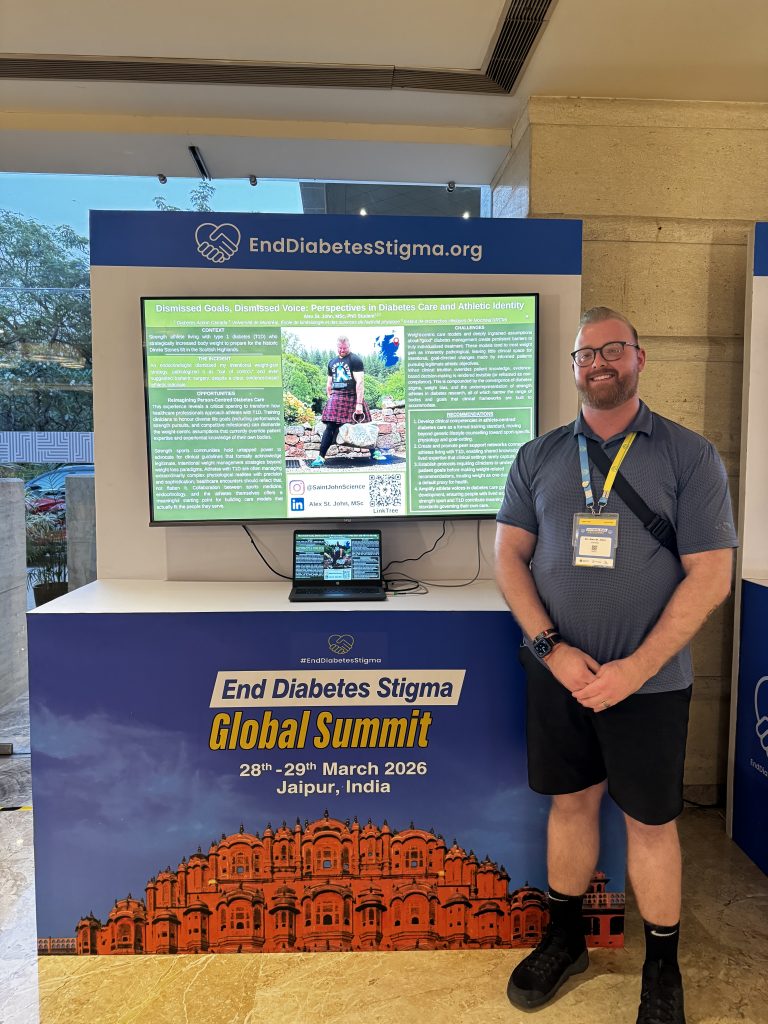
Alex wearing a conference badge stands smiling beside a digital research poster display at the End Diabetes Stigma Global Summit. The poster, titled “Dismissed Goals, Dismissed Voice: Perspectives in Diabetes Care and Athletic Identity,” is shown on a large screen above a laptop. Summit branding and signage are visible on the display booth.
Sharing research on lived experience and diabetes care.

Five Levels of Patient Partnership

Patient partnership is having a moment in health research. Canadian Institutes of Health Research (CIHR)’s Strategy for Patient-Oriented Research, Diabetes Canada’s funding expectations, NIHR’s standards in the UK, and PCORI’s model in the US have all helped build an institutional architecture for engagement.

But a patient partner can describe very different roles depending on where in the research lifecycle the partnership happens. In practice, it operates at five distinct levels.

Research Agendas


The most influential level is research priority-setting: deciding which questions get studied at all. The James Lind Alliance pioneered this model in the UK, and Diabetes Action Canada has used it to re-rank research questions submitted by people living with diabetes, caregivers, and clinicians.

The results are often jarring for researchers. Topics that dominate the literature (pharmaceutical efficacy, new device trials) routinely rank below questions about mental health, daily decision-making burden, and access. When you let community members set the agenda, the agenda changes.

Patient Partners on the Grant, Not Just in the Footnotes

The next level is funding. Patient partners now appear on grant applications across most major Canadian and international funders, often as named co‑applicants with dedicated budget lines.

A patient partner who joins in the final week, reviews a draft, and signs a form is not a co‑applicant in any meaningful sense. A partner who helped shape the research question, contributed to outcome design, and will participate in interpreting the results is something else entirely. Funders are beginning to ask more probing questions about how partners were involved, and that pressure will likely increase.

Designing Protocols With, Not For, Patients

Protocol design and study conduct are where lived experience intersects with methodological choices, often with very concrete effects. The Hypo-RESOLVE Consortium, for example, convened a patient advisory committee whose input shaped the project’s definitions of clinically significant hypoglycemia, an upstream decision that influenced every downstream analysis.

Patient partners flag recruitment materials that sound overly clinical and alienating. They redesign consent processes. They tell you that the burden imposed by a proposed wearable schedule is unreasonable. My own PhD work has been stronger for these conversations, even when they slow things down.

Sharing Results with the Communities They Affect

Dissemination is the stage most people see: conferences, abstracts, plain-language summaries, social media. This is where research either reaches communities or remains confined to journals. Patient partners shape what gets translated, how it’s communicated, and for whom. Any research program serious about impact must treat dissemination as co-designed work, not as a phase that begins only after the manuscript is accepted.

Governance and Who Gets to Decide

The slowest (and arguably most consequential) layer is governance: patient advisory councils within clinical research institutes, lived-experience members on research ethics boards, and patient editors at major journals. These structures determine which research questions even reach the preceding four levels. Change here is slow and uneven, but when it does occur, its downstream effects are substantial.

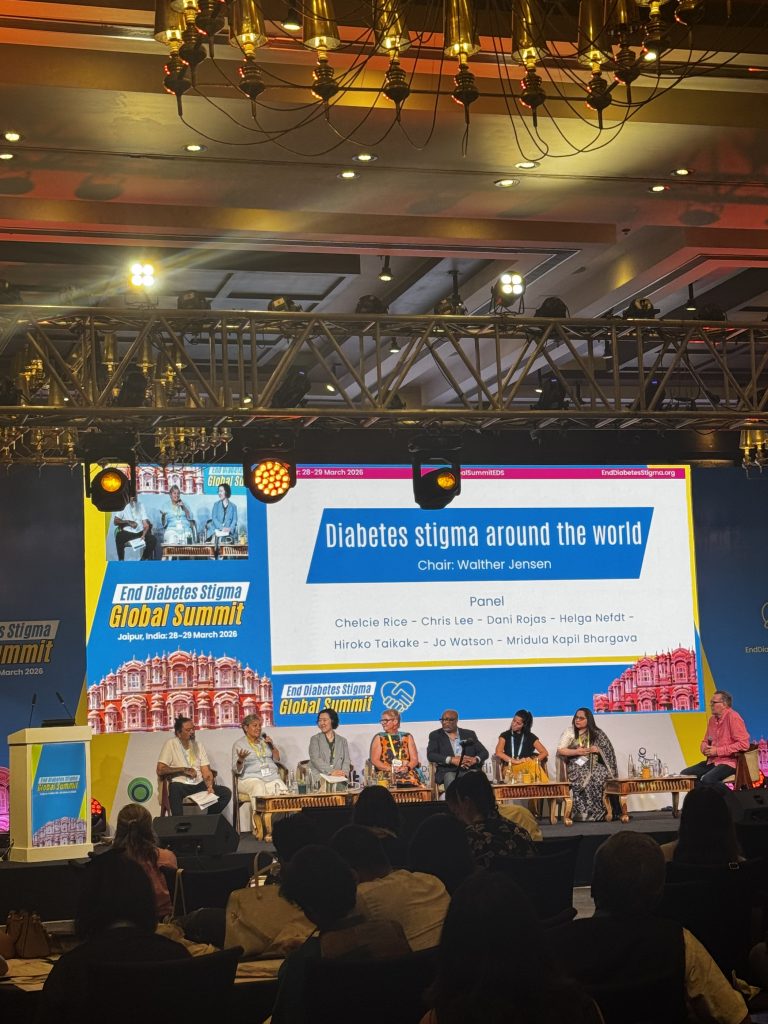
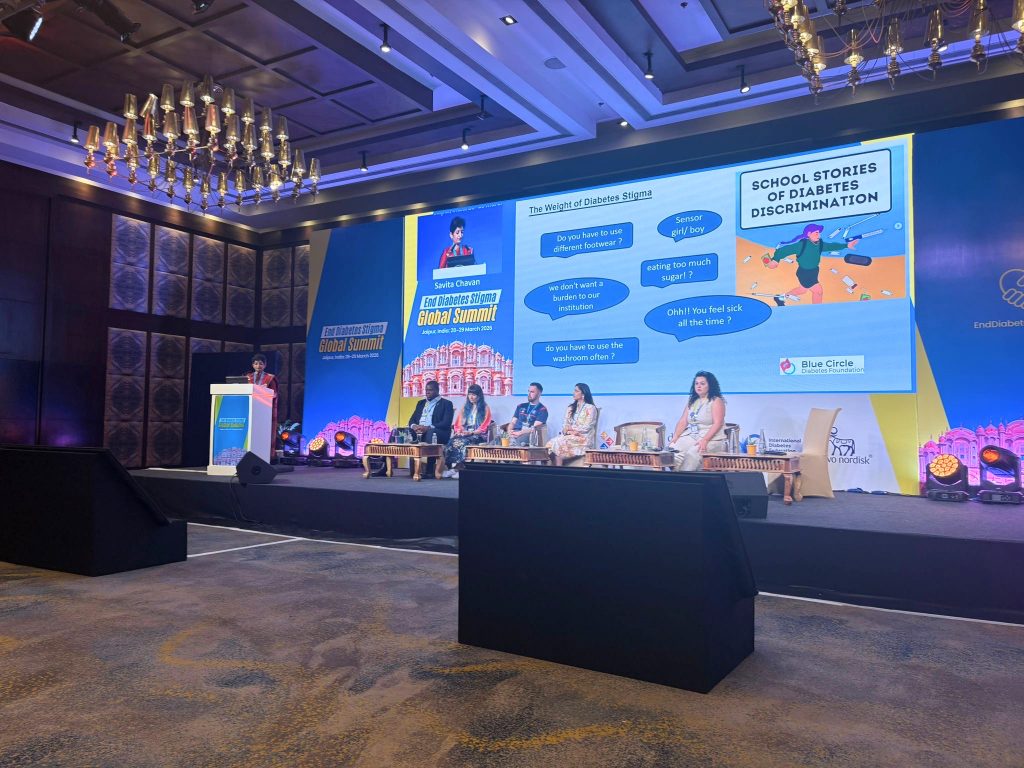
A panel of speakers sits on a stage at the End Diabetes Stigma Global Summit in Jaipur, India. A large screen behind them displays the session title, “Diabetes stigma around the world,” along with the names of panelists and the session chair. Audience members are seated in the foreground listening to the discussion.
Global perspectives on diabetes stigma.

On Occupying Both Sides of the Table

I’m still figuring out how to inhabit these layers. There is a particular discomfort that comes with being asked to represent “the patient voice” in a room where I’m also presenting data. In some rooms, I’m a researcher whose diagnosis is a footnote. In others, I’m a patient whose academic career is. The two framings ask very different things of me. Other delegates in Jaipur described the same tension. One recalled being introduced at a previous conference as a “patient expert,” a phrase that managed to be both elevating and limiting in the same breath.

Lived experience is a form of expertise, and like any form of expertise, it deserves to be paid, credited, and integrated into decision-making rather than displayed. Conferences are at their best when they model this. They’re at their worst when patient-partner panels are scheduled opposite the “real” scientific sessions.

What Meaningful Patient Partnership Looks Like

Here are a few markers I use to assess whether patient partnership in a project is genuinely meaningful:

  • Partners are involved before the research question is finalized.
  • There’s a dedicated and reasonable budget line for their time.
  • They’re named in outputs, including as authors where appropriate.
  • They’re present when results are interpreted, not only when data are collected.
  • They can disagree with the team, and those disagreements can lead to change.

The absence of any one of these is usually a warning sign.

A Global Tapestry of Partnership and Stigma

What the Summit added, beyond the specific content of the sessions, was a sense of a global tapestry. Patient partnership looks very different in a health system with universal insulin coverage than it does in one where families must ration supplies.

Stigma is shaped by access, by culture, and by who is allowed to speak publicly about their condition. Patient partnership in research is one of the mechanisms we have to keep these realities in the room.

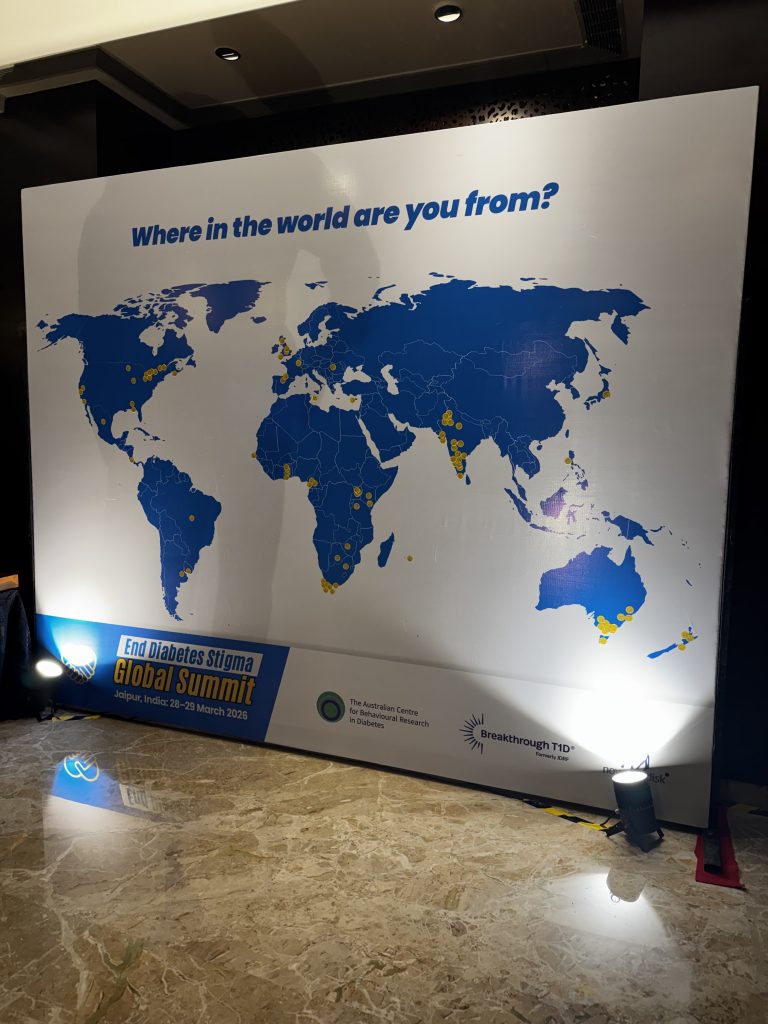
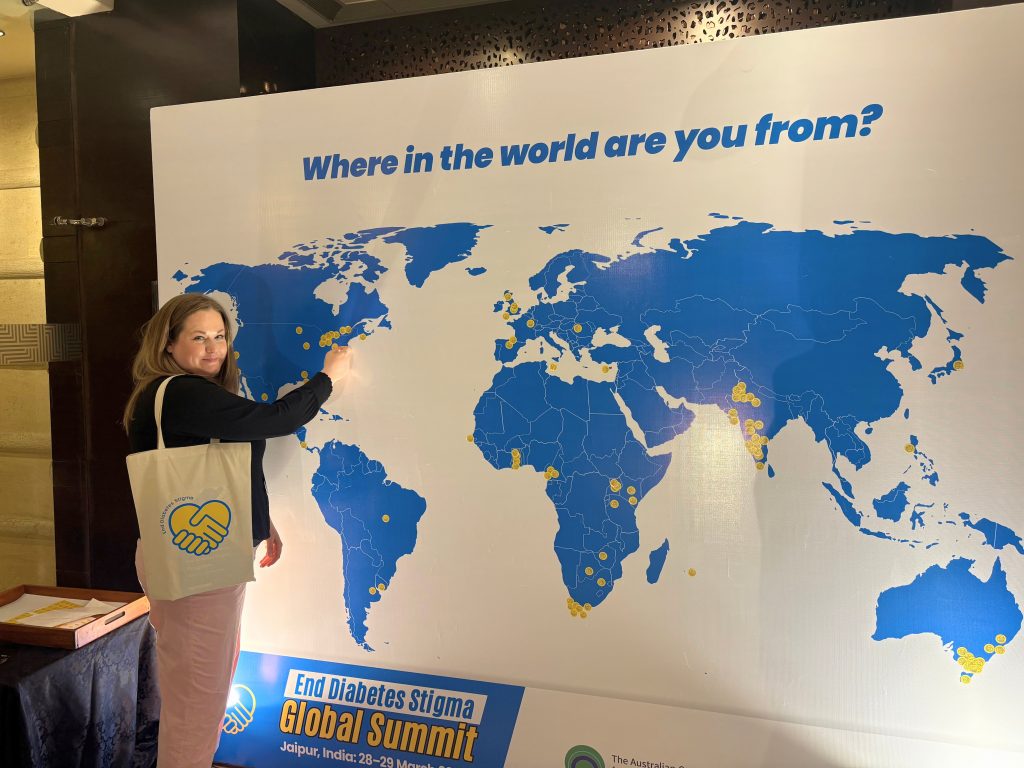
A large white backdrop featuring a blue world map with the heading "Where in the world are you from?". Numerous yellow sticker dots are scattered across different continents to mark attendee origins. The bottom of the banner reads "End Diabetes Stigma Global Summit" held in Jaipur, India, from March 28–29, 2026. Logos for The Australian Centre for Behavioural Research in Diabetes, Breakthrough T1D, and Novo Nordisk are visible at the bottom. The backdrop sits on a polished marble floor and is lit by floor spotlights.
A global gathering for a vital cause.

Calls to Action

For researchers: Examine your next protocol and ask whether your patient partners helped shape the research question or merely reviewed it after the fact.

For funders: Keep asking the harder questions and keep raising the cost of tokenism.

For clinicians: Recognize when your patients are also experts — and treat them as such.

For people living with diabetes: Your voice in research is not a favour you do for the field. It is a structural requirement, and it should be paid, credited, and protected.

The Summit ended with a closing plenary and a flight home. The work it pointed toward is the long, slow kind: rebuilding the architecture of research one level at a time, so that lived experience is not a stage we visit but a foundation we build upon.

From Awareness to Action: What Day Two of the Diabetes Stigma Summit Revealed

Anmol Budhiraja is a mental health and crisis response professional from Toronto, Ontario, whose work is grounded in harm reduction and community advocacy and informed by their lived experience with Type 2 diabetes and caring for loved ones with the condition. As a patient partner and lived-experience research collaborator, they are passionate about challenging stigma, amplifying youth perspectives, and advocating for more equitable healthcare systems, and enjoy spending time with their dog, Drama.

Anmol’s Call to Action: Go beyond performative inclusion and commit to measurable change by ensuring people with lived experience are funded, represented, and empowered to lead in diabetes research, advocacy, policy, and healthcare.

Day Two of the End Diabetes Stigma Global Summit focused on moving conversations beyond stigma awareness and toward real action, accountability, and stigma-free care.

The sessions explored campaigns, communication strategies, advocacy, and community-led approaches that are actively challenging diabetes stigma around the world. 

One session that particularly stood out was the discussion on creative arts and innovation to advance diabetes care and awareness. It was an interactive and deeply human session where people across the globe shared how storytelling, art, design, and innovation can challenge stereotypes and create space for more honest conversations about living with diabetes.

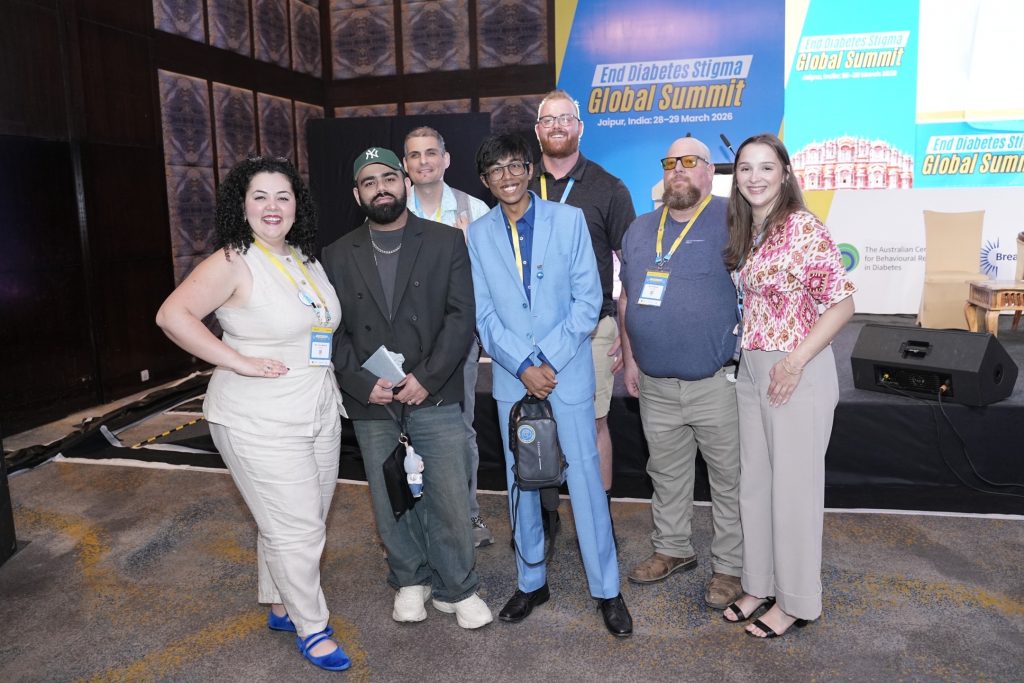
A group of seven diverse individuals smiling and posing together at an indoor event. Behind them is a large stage backdrop featuring a graphic of the Hawa Mahal and text that reads "End Diabetes Stigma Global Summit, Jaipur, India: 28-29 March 2026." The attendees are dressed in a mix of smart-casual and formal attire, wearing event lanyards.
Dynamic minds and global voices uniting for change.

There were also important discussions about international human rights laws and how stigma continues to impact access to care, equity, and quality of life for people living with diabetes. 

The summit closed with conversations focused on next steps and collective action to end diabetes stigma, followed by the #dedoc silent auction and closing remarks from the summit’s visionary partners.

The final video recap of the summit brought the room to tears. There was a powerful mix of gratitude, joy, and sadness as people reflected on what had been created together over the past few days. 

Three things especially stayed with me. 

First, people living with diabetes were visible everywhere in the room, as MCs, speakers, organizers, facilitators, advocates, and participants. Inclusion did not feel performative or like an afterthought. It felt foundational to the entire summit. 

Second, it was refreshing to see new advocates and newly diagnosed individuals being intentionally included in conversations and leadership spaces. Too often, advocacy opportunities are limited to the same voices. This summit created room for growth, mentorship, and community building. 

Third, the emotional atmosphere at the end of the conference reminded me how rare it is for people with lived experience to feel truly seen in healthcare spaces. There was a shared understanding in the room that many people had spent years navigating stigma, judgment, or feeling unheard. 

Why does this matter? Because expertise does not only come from research, policy, or clinical practice. It also comes from living with diabetes every single day.

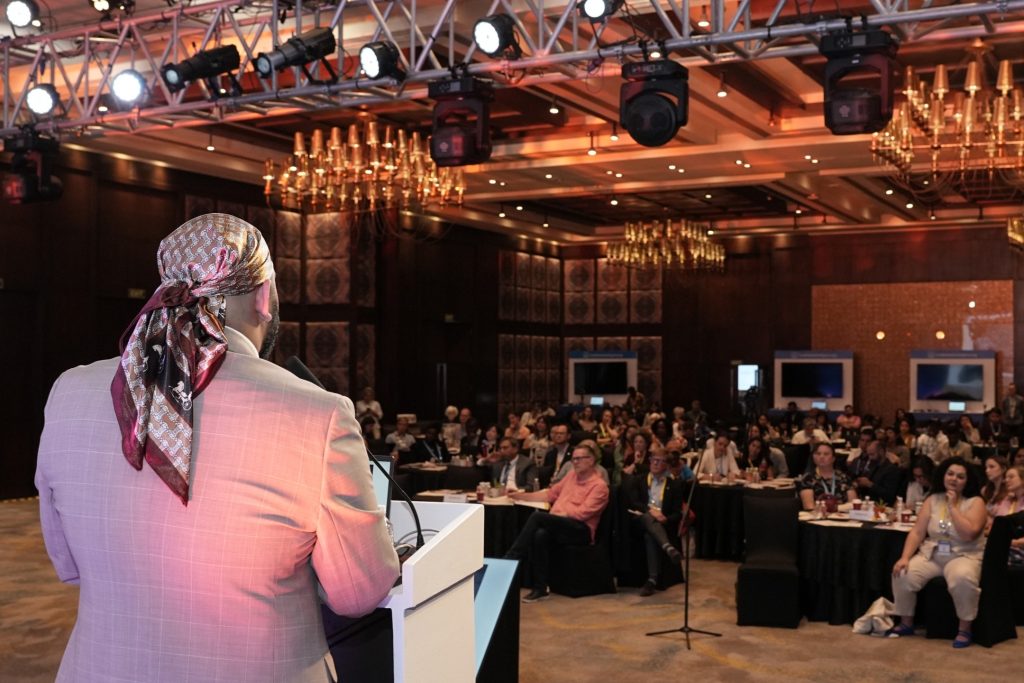
An over-the-shoulder shot from behind Anmol standing at a white podium, facing a large, seated audience in a grand ballroom. The speaker is wearing a light-colored plaid blazer and a patterned silk headscarf tied at the back. The audience sits at round tables, listening attentively. Overhead, heavy metal stage trusses hold professional event lighting and spotlights beneath a warm, ornately lit ceiling with chandeliers.
Anmol presenting at the End Diabetes Stigma Global Summit.

Meaningfully centering lived experience improves research, strengthens advocacy, informs policy, and ultimately leads to more compassionate and effective care. Diabetes stigma cannot be addressed without the leadership and guidance of the very people who experience it firsthand. 

Something that shifted in me during this summit was a deeper sense of confidence and belonging. Unlike many conferences, this space did not make people with diabetes feel observed or studied. It made them feel trusted. Being surrounded by so many advocates, researchers, healthcare professionals, and community members working toward the same goal made me feel more grounded in the importance of this work.

It reminded me that people living with diabetes are not just patients within a system; they are leaders, experts, and changemakers whose voices carry power. 

As conversations move forward, conferences and organizations must go beyond symbolic inclusion and commit to measurable change.

This includes implementing a 1:1 funding model where, for every funded attendee without lived experience, one person with lived experience is fully sponsored to attend. At least 40 percent of engagement and participation funding should directly support people with lived experience through honorariums, travel, accommodations, accessibility, and childcare.

Conferences should also ensure that at least 60 percent of planning and steering committee members are people with lived experience of diabetes, while reserving leadership roles such as MCs, moderators, and facilitators for community members themselves.

In addition, at least 10 to 15 percent of funded participants should be first-time advocates or newly diagnosed individuals to help build future leadership. 

The End Diabetes Stigma Global Summit showed what is possible when lived experience is not simply included, but trusted, valued, and centered from the very beginning.

Reflections from Day One of the End Diabetes Summit: Who Has the Power, and Who is Stigmatized? 


Matt is a person living with type 2 diabetes. He lives in Toronto, Ontario, and works remotely as a research assistant with the University of Calgary. 

Matt’s Call to Action: Create systems where people with lived experience are not just included in conversations about diabetes but are trusted, respected, and empowered to shape decisions.

My first day at the End Diabetes Stigma Summit was punctuated by several thought-provoking ideas that all relate to an overarching theme: stigma always exists within a power imbalance.

As a person living in a larger body, it was eye-opening to hear that many people of Indian descent tend to have more visceral fat due to cycles of famine that favoured this body type to survive. In Western culture, it seems that being overweight is often framed as a personal failing; something that is very much within one’s power to prevent.

The idea that a person’s genetic predisposition to carry more fat could end up saving their life when food becomes scarce demonstrated to me that not every aspect of obesity needs to be viewed as ‘a problem.’  

Carrot or Stick

The power imbalance that exists between doctors and their patients was emphasized to me in a session discussing diabetes stigma in healthcare.

One doctor on the panel spoke of a time they had scolded their patient regarding their chronic ‘poor’ glucose control. The doctor framed this as an ultimately positive exchange, because more passive forms of encouragement had failed in the past, and berating their patient had motivated them to lower their A1C, ultimately ‘taking their illness more seriously.’

The impression I got from the doctor’s anecdote was that stigma is sometimes an acceptable method of assuring a patient’s compliance.

In a moment of tension, the session moderator called out the doctor, saying something to the effect of ‘it’s never alright to stigmatize others’ and ‘I challenge you to motivate your patients in a way that doesn’t harm their self-esteem.’

Listening Without Hearing  

On a somewhat similar note, in between sessions, I found myself in a “conversation” with another doctor. I put that word in quotations because, while I think of a conversation as consisting of a give-and-take of ideas and opinions, I got the distinct impression that this doctor was primarily interested in what they had to say.

When I mentioned my work on diabetes, obesity, and stigma, the doctor listed off a litany of books and articles that I should read on the topic. Rather than ask me any questions, it seemed to me they were only interested in sharing how well-read they were. This sense of intellectual superiority is something I have experienced from many doctors over the years.

However, I have also known doctors who take the time to really listen to their patients and validate their thoughts and feelings. Doing so actually elevates my faith in their judgment, as no one is so wise that they cannot learn something new from another. 

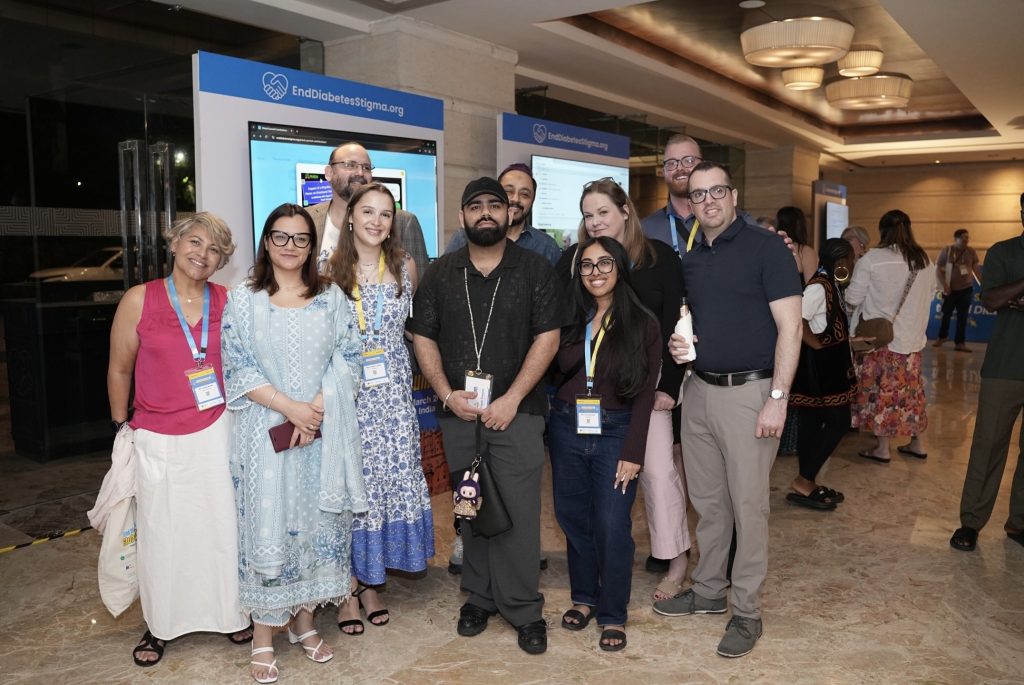
A group of nine people stand closely together smiling for a photo in a well-lit hotel or conference lobby with polished floors. They are dressed in casual and smart-casual attire, and several are wearing conference lanyards. In the background, modern digital displays feature the website "EndDiabetesStigma.org." Other event attendees can be seen mingling in the blurred background to the right.
Advocacy in Action at the Summit.

Joy in Unexpected Places 

I think the most profound lesson I learned on the first day of the stigma summit was that conferences about tough subjects can also be full of laughter and joy.

The talent show, fashion show, and dance party at the end of the day were much-appreciated respites and a chance for people with lived experience to take centre stage.

Seeing people who have such intense connections to stigma confidently strut their stuff and fearlessly showcase their talents was nothing short of inspiring, and something that could not have happened if participants did not feel safe and supported.

It makes me wonder what else we can achieve as a community when all members are made to feel heard, seen, and empowered.   

Not Another Brick, Rehumanizing Diabetes Beyond Stigma: Reflections from the End Diabetes Global Summit

Mohammed Najeeb Ashraf is a medical communications expert and the CEO of SciVoc Consulting with over 35 years of lived experience with Type 1 diabetes. He brings a deep commitment to advocacy, health equity, and elevating patient voice in science and research.

Najeeb’s Call to Action: Rehumanize diabetes care by seeing and treating people as individuals with lives, identities, aspirations, and experiences beyond their diabetes.

The End Diabetes Stigma conference in Jaipur, India, did not feel like just another addition to the long wall of conferences I have attended over the years. It wasn’t another “brick,” structured, informative, but distant. Instead, it felt like a relief that I didn’t know I needed.

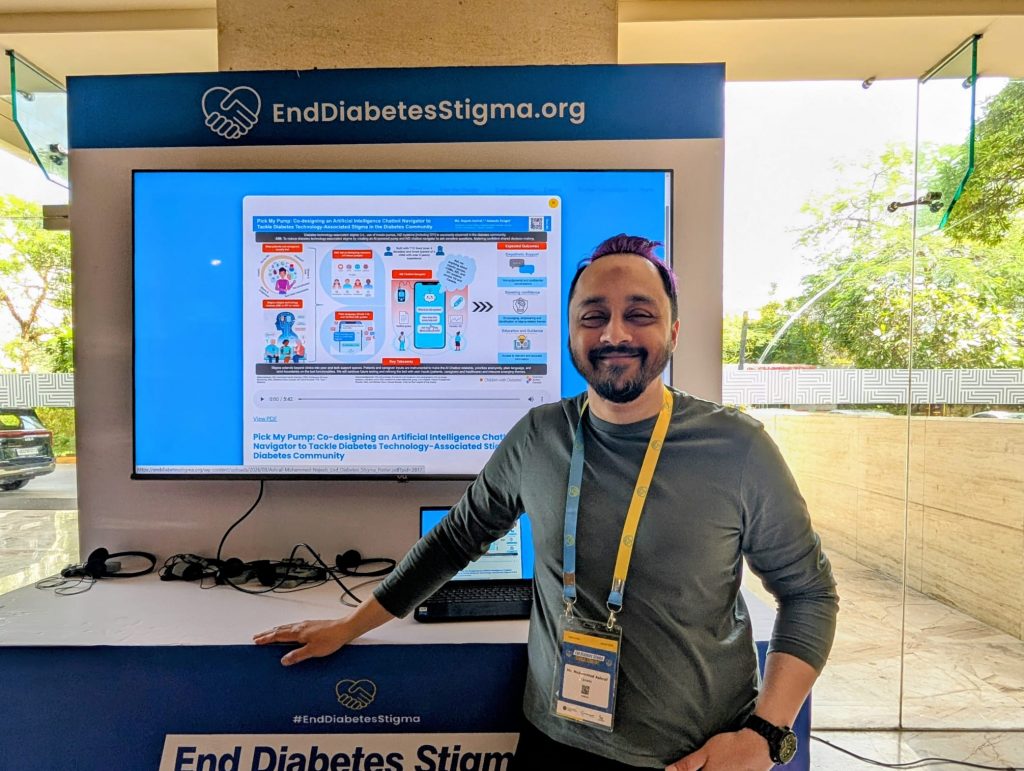
Najeeb stands in front of his AI Chat Bot project and smiles at the camera.
Najeeb Ashraf and Amanda Knight developed an AI Diabetes Technology Chatbot to help people better understand and compare insulin pumps and automated insulin delivery (AID) systems.

I remember sitting in one of the early sessions, listening to a person living with diabetes describe how a routine clinic visit left them feeling judged rather than supported. There was no dramatic confrontation, no overt criticism, no complaints, but just a few words, a certain tone, a subtle shift in body language. Yet the impact lingered with them far beyond that consultation. I found myself thinking about how many such moments we unintentionally create, and how rarely we pause to notice them.

Throughout the conference, many stories like these stayed with me more than any slide or statistic.

In conversations over coffee, in panel discussions, and even in the quiet in-between reflective moments, there was a recurring theme: people were not just managing diabetes, they were managing perceptions.

I recall speaking with a participant who said, almost in passing, “Sometimes the hardest part isn’t the condition, it’s the constant need to explain it.”

That sentence stayed with me long after the conversation ended.

It made me reflect on how easily we default to labels. Terms like “non-compliant” or “uncontrolled” have, at times, found their way into people’s professional vocabulary without much thought. Hearing these lived experiences made me reconsider not just the words themselves, but the assumptions behind them.

What we intend as clinical shorthand can often be received as judgment.

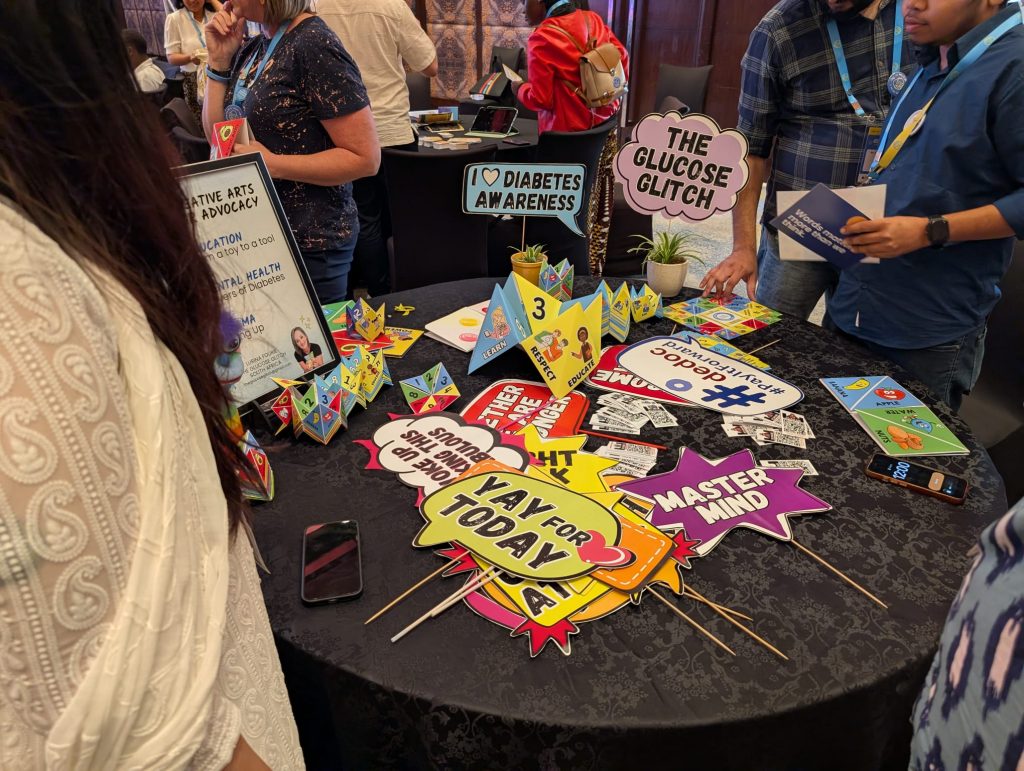
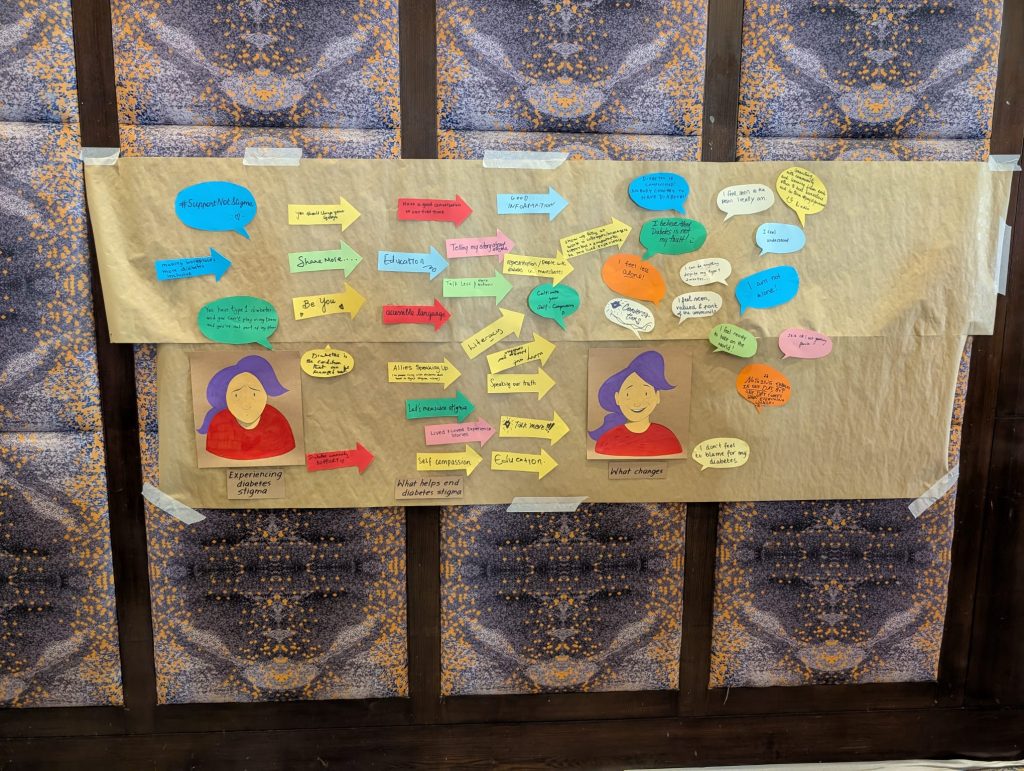
A group of conference attendees stands around a round table displaying a colourful diabetes awareness exhibit. The table is covered with interactive game pieces, educational materials, advocacy signs, and speech-bubble props with messages such as “The Glucose Glitch,” “Diabetes Awareness,” and “Yay for Today.” Participants wear conference lanyards and engage with the display, which highlights diabetes education, advocacy, and lived experiences through creative arts.
Creative arts and advocacy in action.

One moment that particularly stood out was a discussion on language. As the conversation unfolded, I became aware of how well-meaning communication can carry unintended weight. I found myself mentally revisiting past interactions with healthcare practitioners: emails written, discussions led, content developed, and wondering how they did not consider how I might have felt on the other side. It was both uncomfortable and necessary.

Yet, what made the conference truly different was not just the identification of the problem, but the sense of shared responsibility. There was a quiet but powerful acknowledgment that a single group does not create stigma and therefore cannot be addressed in isolation.

I had a brief exchange with a fellow attendee who said, “This isn’t about fixing patients; it’s about fixing the spaces around them.” That perspective felt both simple and profound.

The idea of community came through strongly. In rooms where patients, clinicians, and industry voices came together as equals, something shifted. The hierarchy softened. The conversations became more honest. It made me realize how rare and how necessary such spaces are.

As I left the conference, I found myself thinking less about what I had learned and more about what I needed to unlearn. Ending diabetes stigma is not a campaign or a one-time initiative. It is a continuous process of questioning our language, our assumptions, and the systems we operate within.

This conference was not another brick added to the familiar wall of professional discourse. If anything, it made me see the wall more clearly, how it has been built over time through habits, language, and blind spots. And perhaps more importantly, it made me believe that the work ahead is not about adding more structure but about carefully and intentionally taking parts of it down.

In that sense, Jaipur was a reminder that progress in diabetes care will not be defined solely by innovation or outcomes, but by whether the people at its center feel understood, respected, and truly seen.

And perhaps, that is where the real work begins.

When Intention Creates Connection: Reflections from Night One at the Global End Diabetes Stigma Summit

Brit is a disability and health equity advocate from London, Ontario. As someone living with type 1 diabetes and diabetes-related complications, she speaks openly about how stigma shapes healthcare experiences. She is a Research-to-Action Fellow with Diabetes Action Canada, focused on turning lived experience into action.

Brit’s Call to Action: Create intentional, inclusive spaces that foster connection, belonging, and authentic dialogue, ensuring that lived experience is not only welcomed but valued as a driver of meaningful change.

When I first looked at the program for the Global End Diabetes Stigma Summit, I assumed the Friday evening pre-summit film screening and welcome reception would be fairly quiet. After all, the summit had not technically started yet. 

People were arriving in Jaipur, India, from over 40 countries after long travel days, multiple layovers, delayed flights, and very little sleep. I imagined most people would spend the evening settling in and saving their energy for the packed weekend ahead.

But that’s not what happened.

Every time I looked up, more people had arrived. The room was full, but more importantly, it was engaged. Conversations started almost immediately. It didn’t feel like the usual conference small talk warm-up where everyone politely tests the waters before settling in with the group. 

That’s what captured my attention–this atmosphere didn’t feel accidental.  

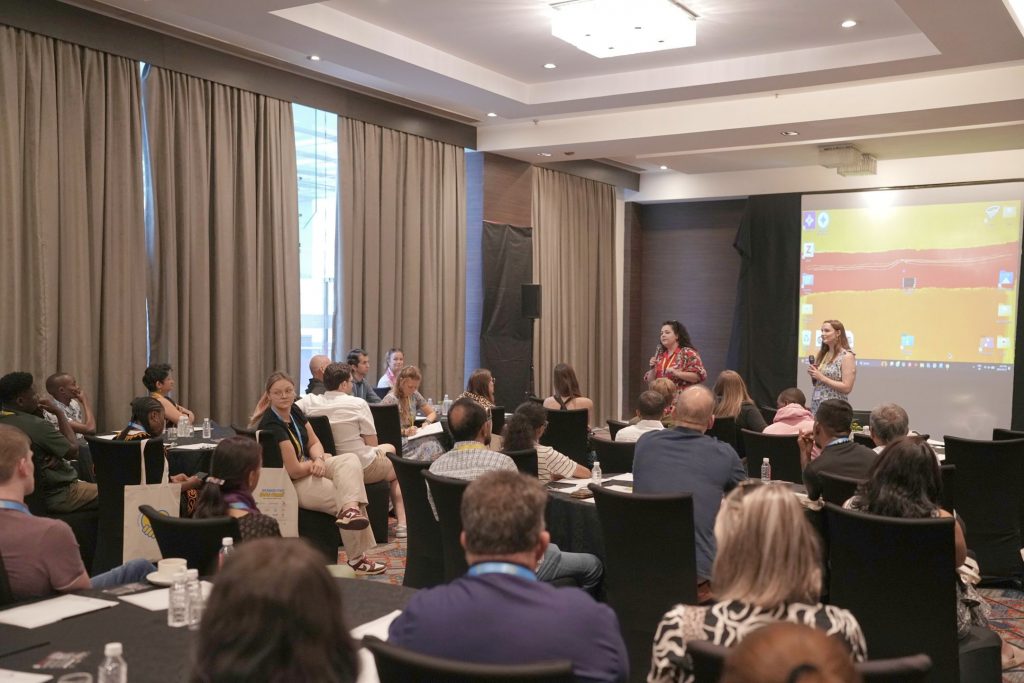
ALT for Image: Wide view of a room at the pre-summit film screening discussion, with facilitators speaking to attendees gathered around tables throughout the room.
Even before the summit officially began, the room was already deeply engaged. 

Why Conversations Started Immediately

As the discussions unfolded, I noticed something I often see within the diabetes community. People could describe experiences of stigma very easily, like their experiences had become so familiar that they no longer stopped to examine the weight of them. 

I think many people with lived and loved experience of diabetes become used to functioning this way.

Diabetes can be relentless. You manage the next low or high blood sugar, the next pharmacy or insurance hurdle, the next healthcare interaction that leaves you feeling blamed instead of supported. You explain yourself over and over again, and eventually, many people learn just to keep moving forward because what other choice is there?

But that night felt different.

Conversations moved beyond introductions. People were openly discussing healthcare experiences, burnout, disclosure, food insecurity, supply challenges, and the systems that often fail to meet people where they are. There was very little hesitation.

Later in the evening, my husband joined us for the welcome reception and quietly commented, “Wow, everyone is really welcoming here.” He was right. That observation captured something important: people weren’t wasting energy deciding whether the room was safe to share or not. They already knew it was. And what a wonderful way to begin the summit.

Why the Atmosphere Felt Different

I kept thinking about what made the atmosphere feel so different, and I think the keyword is “intentionality.” 

Before the summit even began, organizers had already established expectations around care, respect, inclusion, and dialogue through the Summit’s Care Protocol. That might sound like a small detail, but I really do not believe it was. It shaped the environment and felt deliberately designed to help people feel safe enough to participate honestly.

It also mattered that the evening centered around films and facilitated dialogue rather than formal presentations. The films weren’t treated like side entertainment before the “real” summit began. Storytelling contributions were one of the abstract submissions for the summit. Storytelling and lived experience were treated as valid, essential forms of knowledge from the very start. 

Watching a film about stigma in a room full of people who understand those experiences creates a very different kind of conversation than watching alone.

The pauses between the films mattered too. People reflected out loud, connected their own experiences to what they had just seen, and built on each other’s thoughts in real time.

Another powerful moment was when Matt Larson, Diabetes Action Canada (DAC) Patient Partner, shared Low Priority, a film about the resilience required to manage diabetes while experiencing homelessness.

Matt appears in the film and helped co-create it with the Calgary Diabetes Advocacy Committee (CDAC), grounding the evening’s conversations in lived experience that’s too often overlooked.

Strong facilitation played a critical role. Linxi Mytkolli, DAC Director of Patient Engagement, created opportunities for people to pause, reflect, and deepen the dialogue, rather than feeling pressured to rush to the next topic.

Nobody seemed eager to leave. In fact, more people kept joining the room as the evening went on.

What This Teaches Us About Patient Engagement

One of my biggest takeaways from that evening was that meaningful engagement does not happen automatically just because people are in the same room. Honest conversations about stigma require intention.

If we want people with lived and loved experience to share openly about difficult topics, we have to create environments where they feel safe enough to do so from the very beginning.

That means: 

  • Clearly communicating care expectations well before events begin 
  • Treating storytelling and arts-based sessions as essential to dialogue– not just as “extra” programming. 
  • Creating time for reflection and facilitated discussion instead of expecting people to process difficult topics alone.

During the summit, Anmol Budhiraja, DAC patient partner, captured this perfectly during his presentation:

“The problem was never that I didn’t have something to say. It’s that no one created the space for me to say it.”

That’s what felt different on Friday night. The summit didn’t just invite people into the room; it also created conditions where people could participate honestly and feel heard. 

And that opening night made something very clear: When you build intentional spaces rooted in care, people show up fully, not because they feel obligated to, but because they feel like they finally can. 

Brit Hancock standing in front of the map of the world. She points to Toronto, Canada on the map while smiling at the camera.

New Photo Exhibition Shares the Untold Everyday Experiences of Young Adults Living with Type 1 Diabetes

Macenzie Rebelo is the Communication and Engagement Associate with Diabetes Action Canada (DAC). She attended the opening of Within the Highs and Lows: Young and Type 1 Photo Exhibition on behalf of DAC. Drawing on her lived experience with an autoimmune condition, she is passionate about advancing equity and inclusion and amplifying community voices to drive meaningful change, particularly through the arts.

In 2019, after a study with parents of young adults living with type 1 diabetes, the research team at St. Michael’s Hospital Diabetes Clinic realized there was still a lot to learn about what it is really like to live with type 1 diabetes as a young adult. 

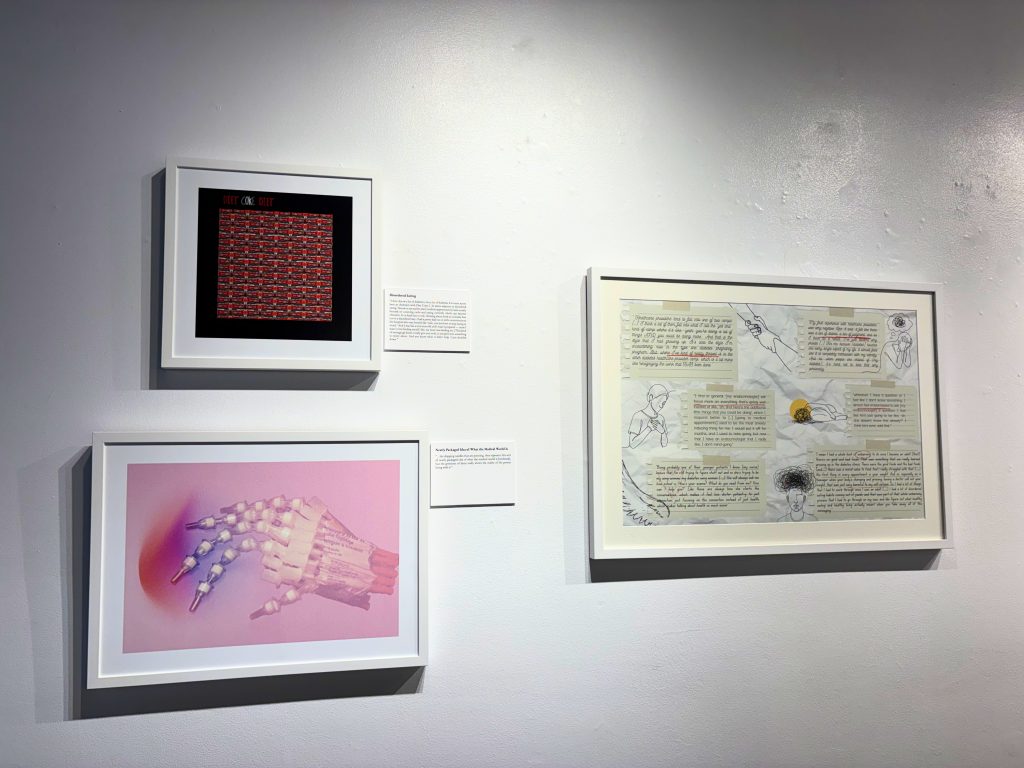
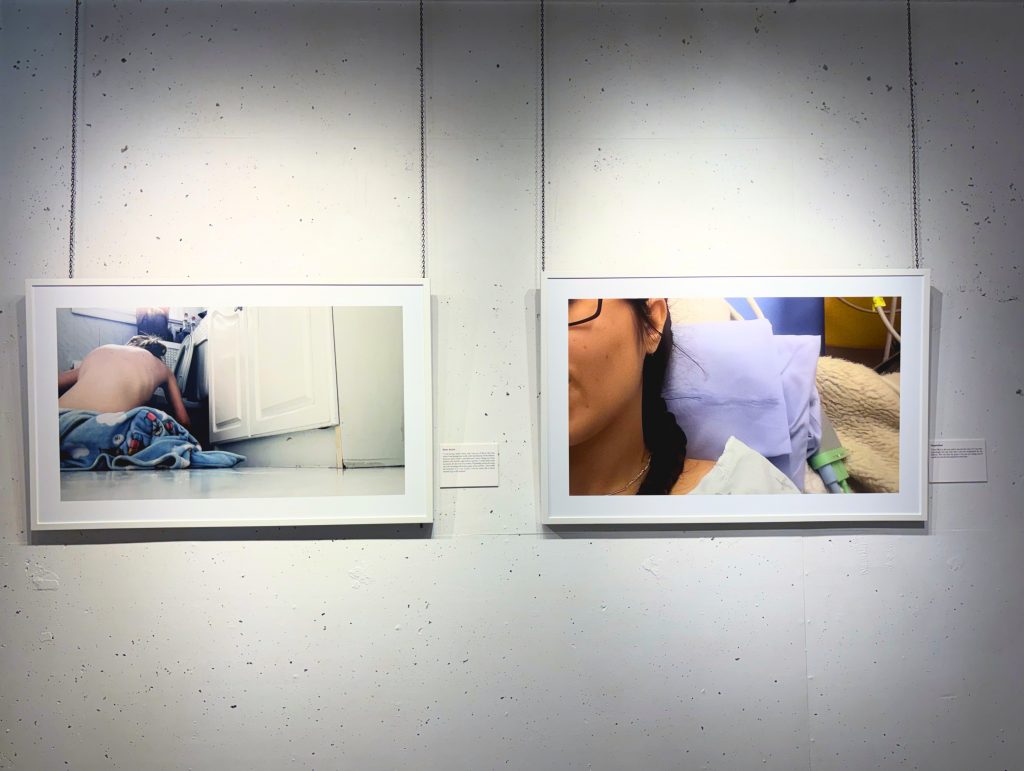
To better understand the complexities of living with type 1 diabetes and raise public awareness, Unity Health Toronto co-designed a photo exhibition with 22 young adults from diverse backgrounds to share their stories and make sense of their experiences together. 

These conversations created safe spaces for reflection, grief, and connection around the often-overlooked challenges of everyday life with type 1 diabetes. This work began as a pilot project with youth in Ontario and was later expanded nationally through the Canadian Institutes of Health Research. 

After six years of collaboration, the photo exhibit is now open to the public, inviting visitors to immerse themselves in the everyday experiences and challenges of living with type 1 diabetes.  

Through the perspectives of each participant, the photographs explore coming-of-age experiences such as relationships, education, identity, imagining the future, unlearning stigma, and redefining what it means to live well while managing an unrelenting condition that remains woven into their daily lives.  

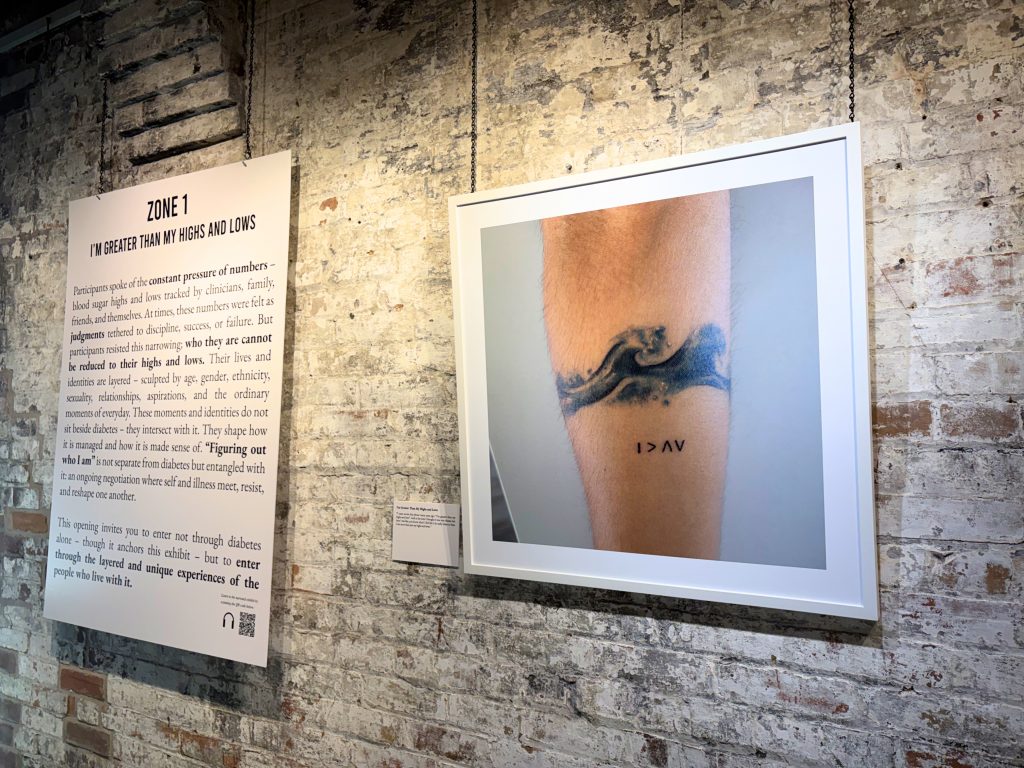
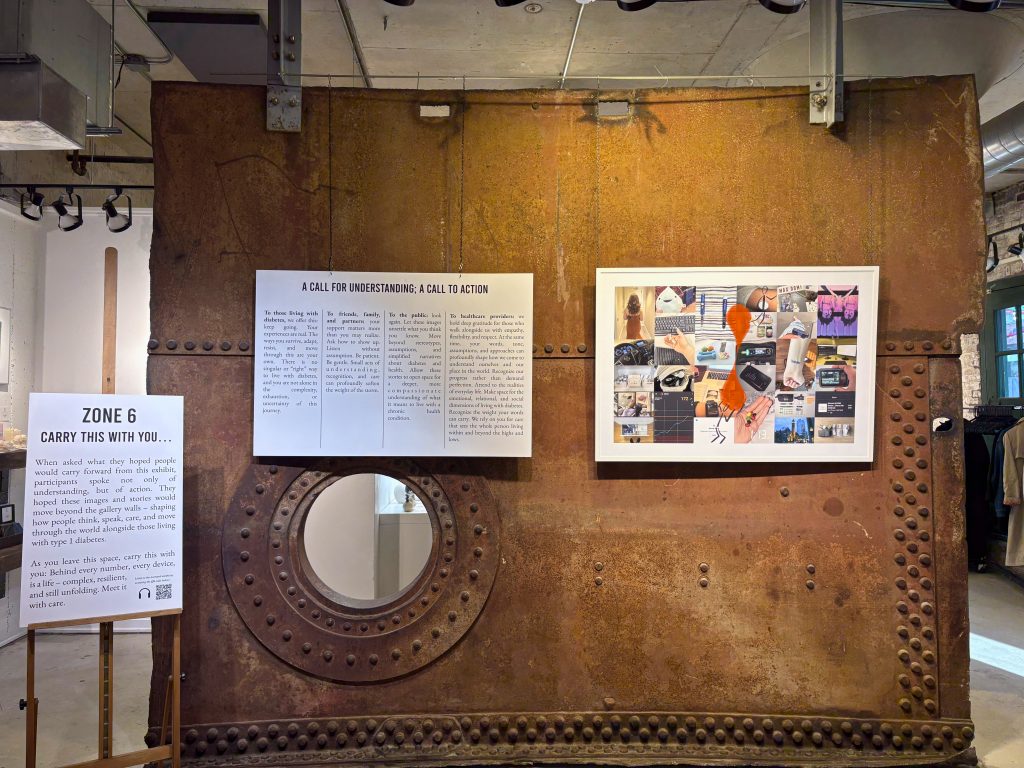
Each section of the exhibition is organized into zones that represent recurring themes identified through conversations with participants. Each zone is accompanied by supporting raw imagery and audio that surround the public in the sounds, feelings, and visual expressions of living with type 1 diabetes.  

The exhibition is divided into the following zones: 

Zone 1. I’m Greater Than My Highs and Lows: Participants spoke of the constant pressure of numbers – blood sugar highs and lows tracked by clinicians, family, friends, and themselves.  

Zone 2. Walking In a Windstorm – The Unrelenting, The Unpredictable, The Unseen: All participants described diabetes as a constant force. Like walking in a windstorm, life continues forward but never without resistance.  

Zone 3. Diabetes on Display – Surveillance, Stigma and Reclaiming the Narrative: Within the windstorm of daily life with diabetes, surveillance and stigma emerged as shaping forces. 

Zone 4. Network of Care – Health Care Providers: Healthcare professionals emerged as central figures in participants’ accounts, shaping not only clinical care but the broader trajectory of life with diabetes.   

Zone 5. In Relationship with Diabetes – Living with, Against and Alongside: Shaped by forces traced across this exhibit, participants described their relationship with diabetes as continually evolving, marked by moments of tension and tenderness.  

Zone 6. Carry This with You…: When asked what they hoped people would carry forward from this exhibit, participants spoke not only of understanding but of action. They hoped these images and stories would move beyond gallery walls, shaping how people think, speak, and care throughout the world alongside those with type 1 diabetes.  

The art concludes with a reflection wall, inviting visitors to write down what they have learned and anonymously place it on the gallery wall, creating a final, ever-evolving artwork that brings the exhibition to a close. 

Within the Highs and Lows: Young and Type 1 is open to the public from May 29-31 at Arta Gallery, 14 Distillery Lane, Distillery District, Toronto, ON. 

Living With Diabetes Means Living with Loss: New Paper Reframes the Emotional Experience of Diabetes 

A new paper co-authored by Diabetes Action Canada’s (DAC) Linxi Mytkolli argues that diabetes distress may not fully capture the emotional reality of living with diabetes. Instead, that loss and grief are also central, and often overlooked, parts of the experience.  

For decades, the concept of diabetes distress has helped clinicians and researchers better understand the emotional burden of living with diabetes without stigmatization.

But according to the newly published paper in Frontiers in Clinical Diabetes and Healthcare, “Living with what is lost: reframing emotional life with diabetes through an integrative perspective on loss and grief,” there is more to the story.

📖 Read the full paper here

Not only are those living with diabetes navigating burnout, fear of complications, and the demands of self-management, but they are also managing a quieter, more cumulative, and harder emotion to overcome: grief. 

Grief is not tied to a single event, but rather connected to the ongoing experiences of loss that can come with chronic illness, like trust in one’s body, certainty about the future, and a sense of identity. 

While diabetes distress has become an important and widely used framework, the paper examines the emotional burden, frustration, and self-management pressures that those with diabetes face.

The paper introduces a new way of thinking about emotional life with diabetes by applying the Integrative Process Model of Loss and Grief (IPM) to diabetes care and lived experience.

What the researchers wanted to learn

The researchers wanted to explore whether the current language used in diabetes care fully reflects the emotional realities of living with diabetes over time.

While diabetes distress has become an important and widely used framework, the authors argue that it primarily focuses on emotional burden, frustration, and self-management pressures.

What it may miss are the slower, more existential experiences that can unfold across years of living with diabetes:

  • Changes in identity
  • Loss of bodily trust
  • Altered relationships
  • Shrinking possibilities
  • Ongoing adaptation to uncertainty

To explore this, the team applied the Integrative Process Model of Loss and Grief, a framework originally developed in bereavement research, to the experience of living with diabetes.

The model looks at grief across five interconnected dimensions:

  • Physical
  • Emotional
  • Cognitive
  • Social
  • Spiritual

Rather than viewing grief as a temporary response to a single event, the model recognizes that people can experience ongoing and cumulative forms of loss that require continual adaptation.

What the study found

The paper is a conceptual analysis rather than a clinical trial, but it brings together decades of diabetes distress research, grief theory, and lived experience to propose a broader understanding of emotional health in diabetes care.

The authors describe how diabetes can affect nearly every part of a person’s life:

  • Physically, through constant vigilance and fear of complications
  • Emotionally, through burnout, guilt, shame, and exhaustion
  • Cognitively, through relentless planning and mental load
  • Socially, through stigma, misunderstanding, and isolation
  • Spiritually, through questions about meaning, identity, and the future

Importantly, the paper argues that these experiences are not signs of weakness or failure. They are understandable human responses to living with an incurable and demanding chronic condition.

One of the most striking moments in the paper comes from co-author Mytkolli, who reflected during a presentation at the Advanced Technologies & Treatments for Diabetes conference in 2025.

“I grieve my body, I grieve a system that was not built for me. I grieve the future I have to reimagine constantly. Patient engagement is grief work.”

The paper also highlights how these experiences are shaped by broader systems and inequities. In particular, the authors note that for many people, especially those living with type 2 diabetes, emotional burden can be compounded by stigma, food insecurity, limited healthcare access, racism, and social exclusion.

Why this matters

This paper matters because it pushes the conversation about diabetes beyond numbers, targets, and even distress scores.

It offers language for experiences that many people living with diabetes already know intimately but may struggle to describe.

By reframing diabetes through the lens of grief and adaptation, the paper challenges healthcare systems to think differently about emotional support. Instead of viewing difficult emotions as problems to “fix,” the authors encourage clinicians and systems to recognize them as natural responses to ongoing change and uncertainty.

That distinction matters.

It can help reduce stigma, create more compassionate clinical conversations, and support care that recognizes the full human experience of living with diabetes, not just its biomedical markers.

The paper also reinforces a growing recognition within diabetes care that emotional well-being is deeply connected to outcomes, engagement, and quality of life. Emotional burden does not sit outside diabetes care; it is part of it.

For Diabetes Action Canada, the work also reflects a broader commitment to patient partnership and person-centred care. The paper draws directly from grief-literate approaches developed within DAC’s patient engagement initiatives, including co-design methods that recognize emotional labour, vulnerability, reflection, and meaning-making as essential parts of collaboration.

Looking ahead

The authors are clear that this work is not about replacing diabetes distress frameworks or introducing another screening tool.

Instead, they are calling for a broader and more compassionate understanding of emotional life with diabetes – one that creates space for conversations about loss, adaptation, uncertainty, and identity alongside traditional clinical care.

That opens important opportunities for diabetes care, implementation, and patient engagement.

A grief-informed perspective could help healthcare professionals better recognize emotional strain that may otherwise go unspoken. It could support more person-centred conversations in routine care, improve how systems respond to burnout and disengagement, and create safer spaces for people to talk openly about what living with diabetes actually feels like over time.

The paper also points toward practical opportunities to embed grief-literate approaches into patient engagement, education, and implementation work, including the kinds of co-design and partnership models that DAC has helped champion nationally.

Ultimately, the authors argue that acknowledging grief is not about pessimism. It is about making room for the full human experience of chronic illness, and creating care systems that respond with greater understanding, dignity, and connection.

  • 1
  • 2